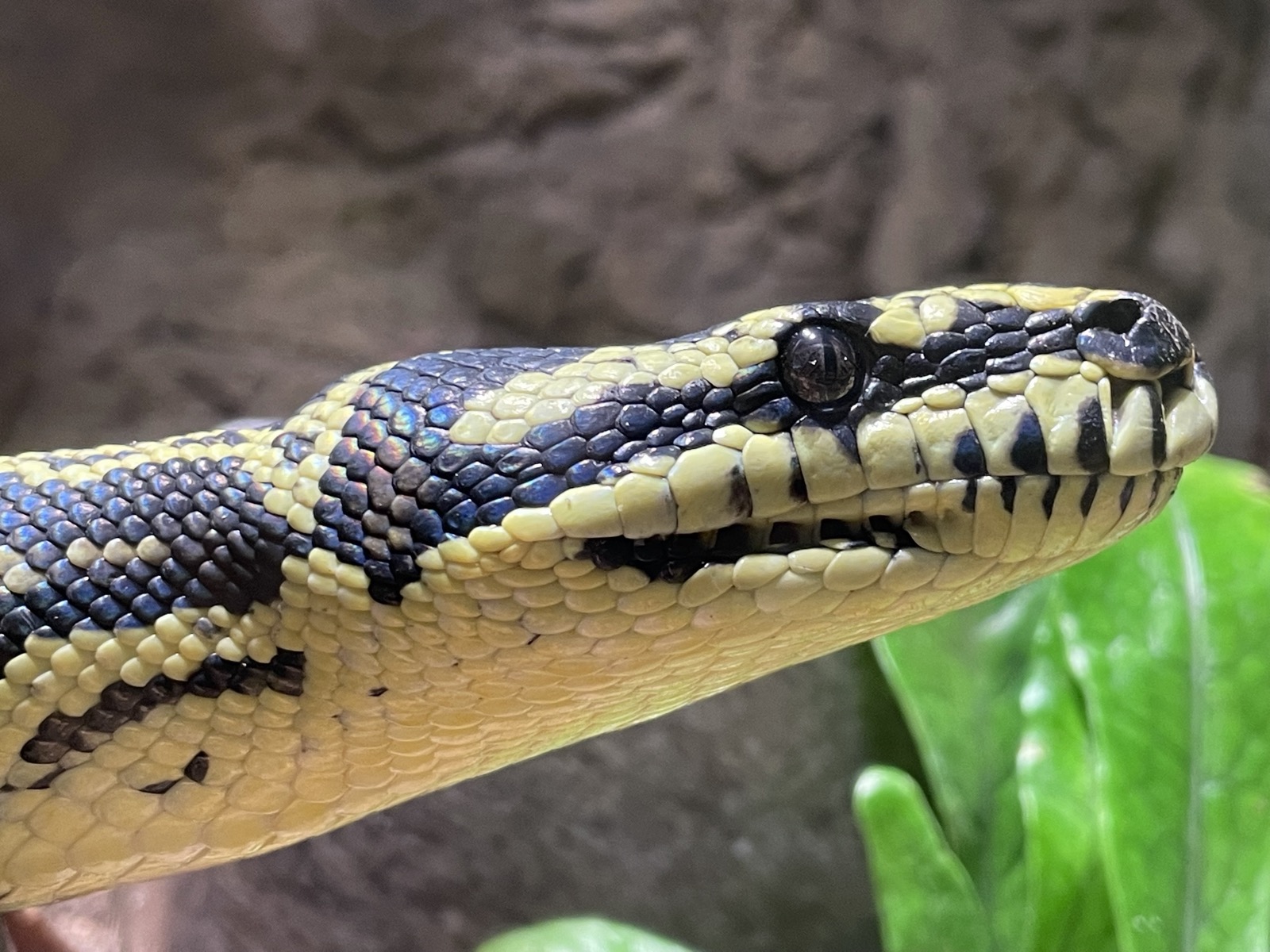
I am very interested in amateur herpetology (herpetology being the study of reptiles and amphibians). I own a Jungle Carpet Python (and I am in general a huge fan of all snakes in the Morelia genus!)
I am involved with the Bay Area Herpetological Society, and I enjoy going on field herping trips to find and make observations of various herps in the wild. I started herping as a child, and in high school I spent some time volunteering as an Animal Care Specialist at my local nature center. I'm intending on using this page as a personal herp journal / catalog.
If you ever meet me in person, feel free to ask for snake fun-facts!
I have a pet jungle carpet python (Morelia spilota cheynei) named Jared whom I care for. I've had him for a long time, since high school, and have had him during university, moving states, etc. He is very placid, curious, and active. This sort of activity is uncharacteristic of many commonly kept pythons (which tend to be sedentary ambush predators), although in general carpet pythons tend to be more active because their semi-arboreal lifestyle requires constant tree climbing and open exploration. He is quite friendly, and does well interacting with people!
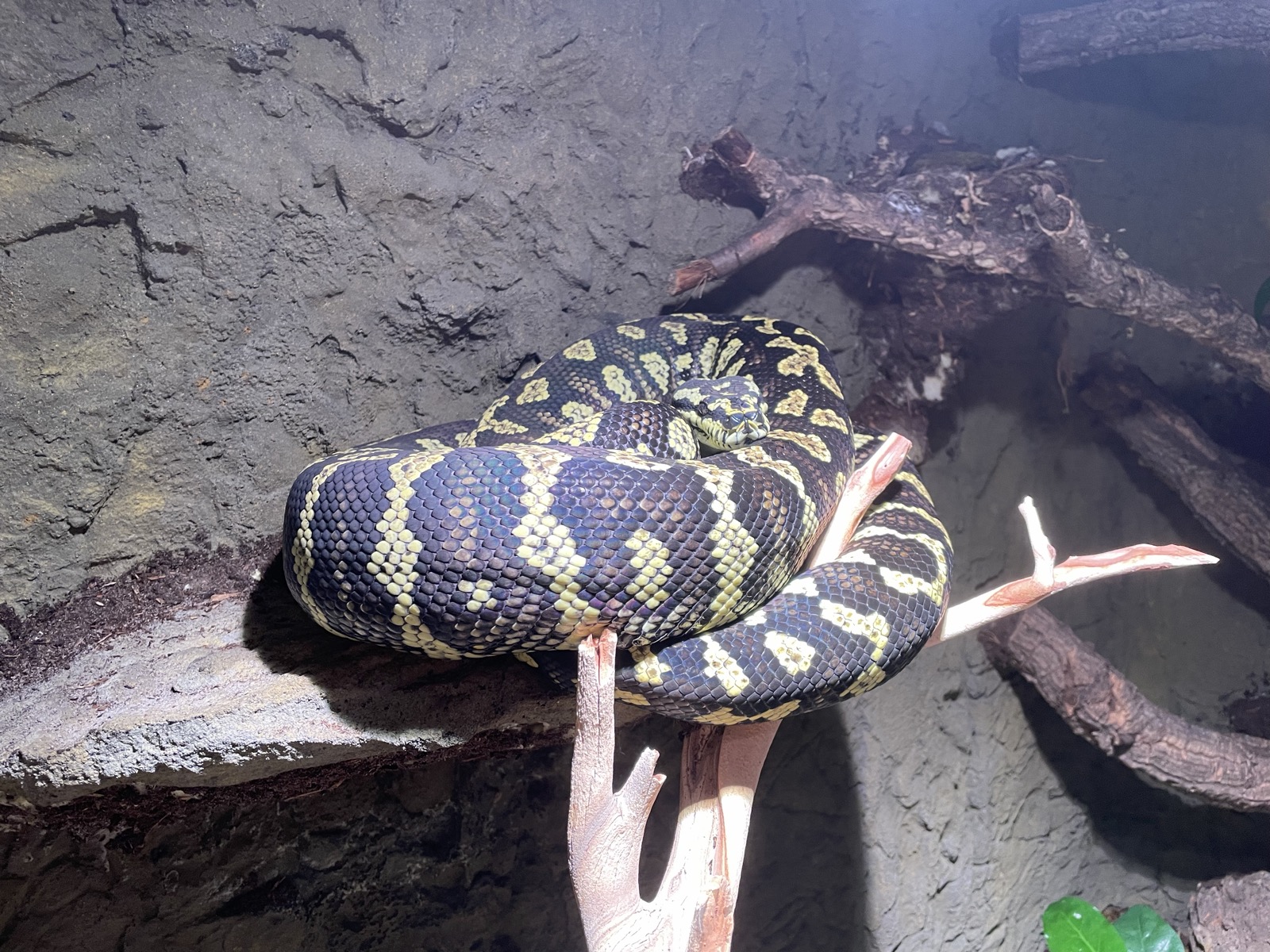
In the wild, jungle carpet pythons are found in the rainforests of northeastern Queensland, Australia, where they are largely arboreal and prey on small mammals and birds. Their striking yellow-and-black banding is the namesake feature of the subspecies and develops as they mature.
This is an ongoing catalog of some of my "favorite" species in a few major herp groups. All photos here are from iNaturalist (the citizen science database for biodiversity observations), with the exception of the adult pixie frog and the South China giant salamander photos.
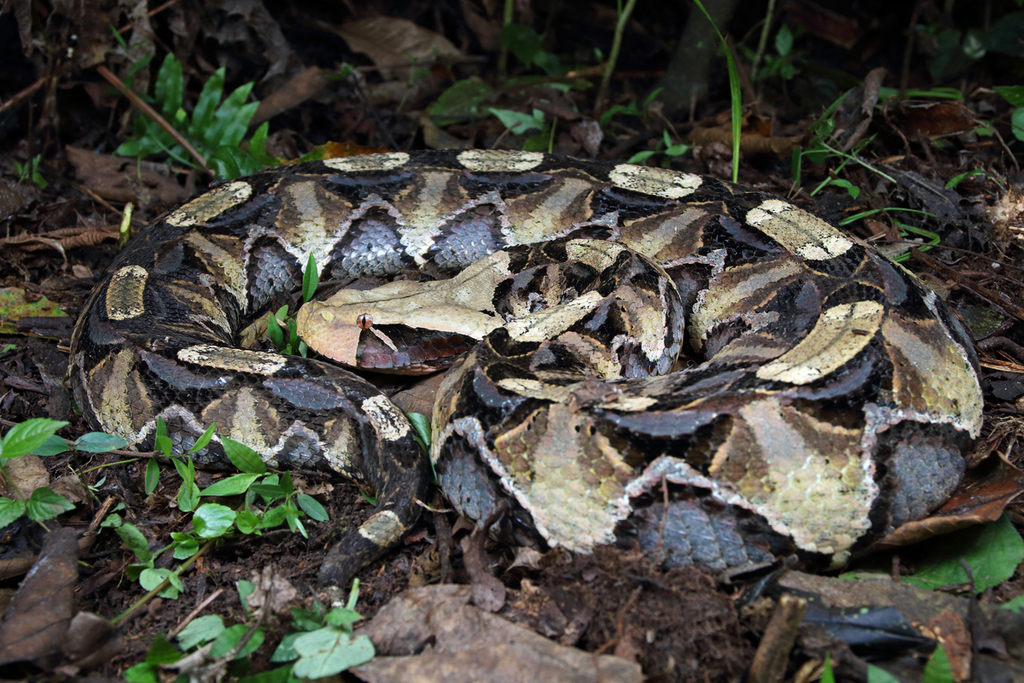
I think I'm going to have to go ahead and make the clichéd choice, and say my favorite viper is the Gaboon viper (Bitis gabonica). Gaboon vipers are just undeniably incredible, with their hyper-triangular head shape, thick stocky build, and having the longest fangs out of any snake on the planet, period. I think visually they are one of the most immediately intimidating snakes to look at. They also have some interesting camouflage / defensive mimicry going on.
Other really close contenders:
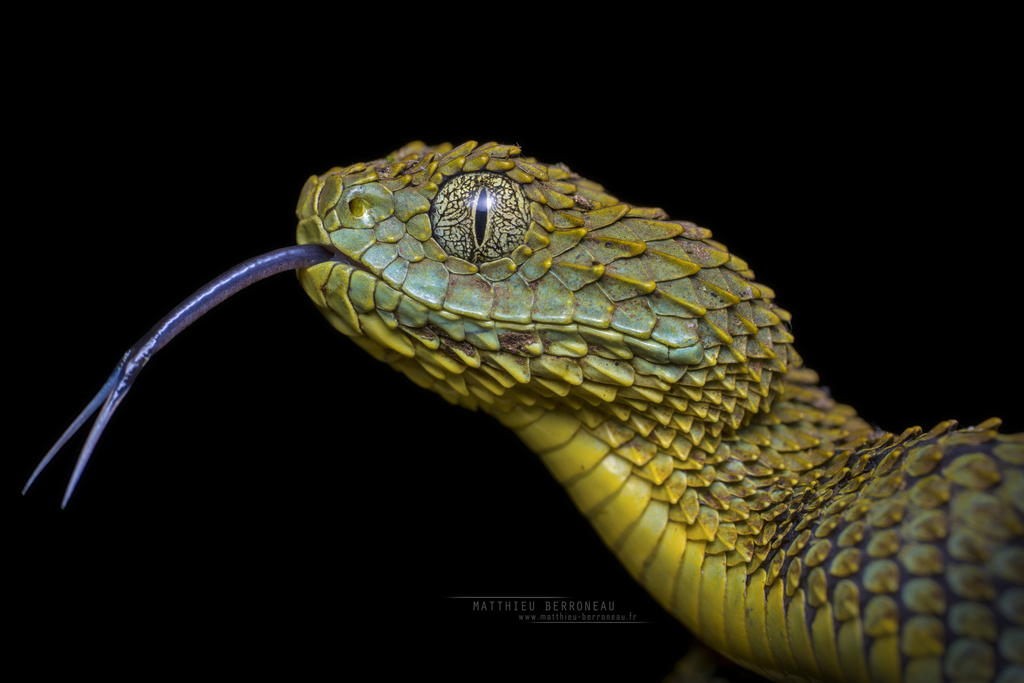
Squams (Atheris squamigera), which are variable in coloration and have heavily keeled scales giving them a sort of dragon-like appearance. Not-so-fun fact: there exists no working antivenom for squams. Typically, if a bite occurs medical professionals will use polyvalent antivenoms designed for other saw-scaled vipers, such as the Echis genus, which can be partially helpful.
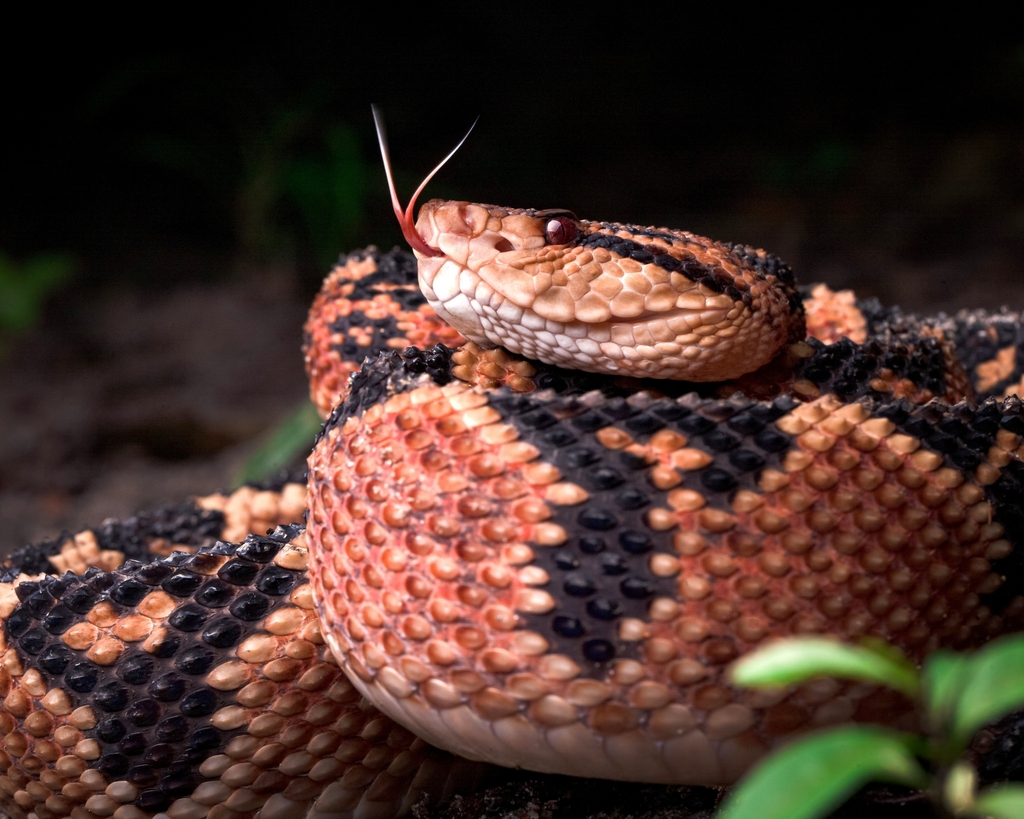
Bushmasters (Lachesis muta), which are remarkably long (the longest!) for a viper and have a very interesting face shape.
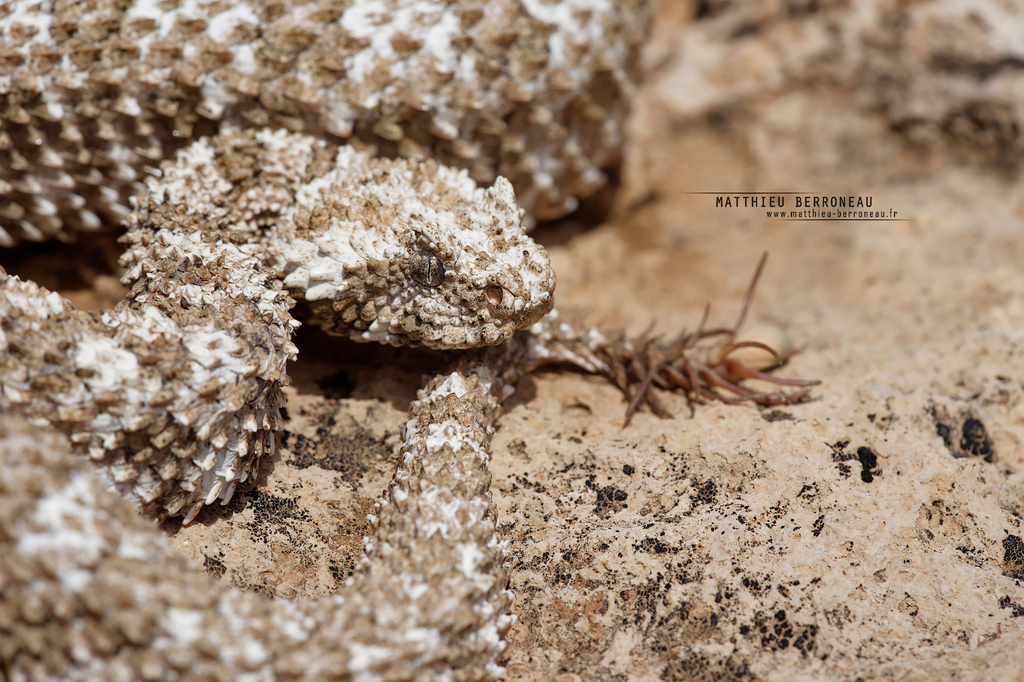
And the spider-tailed horned viper (Pseudocerastes urarachnoides), which has an insane form of aggressive mimicry that attracts birds (wiggling its spider-like tail as a caudal lure, to entice nearby birds to attempt to prey on it, before becoming preyed upon).
Warning (this video involves a bird getting caught by a viper): here is a YouTube video of a spider-tailed horned viper luring in a bird.
There are a few times in this list and in my herp journal where I might refer to "aggressive" or "defensive" mimicry, so I'll also define them here. Aggressive mimicry is a strategy used by predators to actively lure in prey (like a lure on a fishing hook) and is found in these snakes, snapping turtles, orchid mantises, and more. Defensive mimicry is the opposite, and is a strategy used by prey to deter or hide from predators (like looking toxic, or mimicking an inanimate object like a dead leaf).
I'm going to be a bit more controversial with this pick, and not select the king cobra (Ophiophagus hannah), nor any of the true cobras, nor the black mamba (Dendroaspis polylepis) / green mamba or anything like that. Don't get me wrong, these snakes are beautiful and intimidating (being long, fast, and having high venom toxicity). And the ability to hood up is quite cool. But I think my favorite elapid is undeniably one of the sea snakes, probably the blue-lipped sea krait (Laticauda laticaudata), since the blue coloration is striking and I also find it interesting to see, since blue coloration is so rare in the animal kingdom. Almost no animal pigments produce true blue, so when something looks blue it's almost always due to structural coloration (which basically means that there are microscopic structures in the tissue that scatter or interfere with light to produce the color of blue), rather than pigment molecules absorbing and re-emitting specific wavelengths.
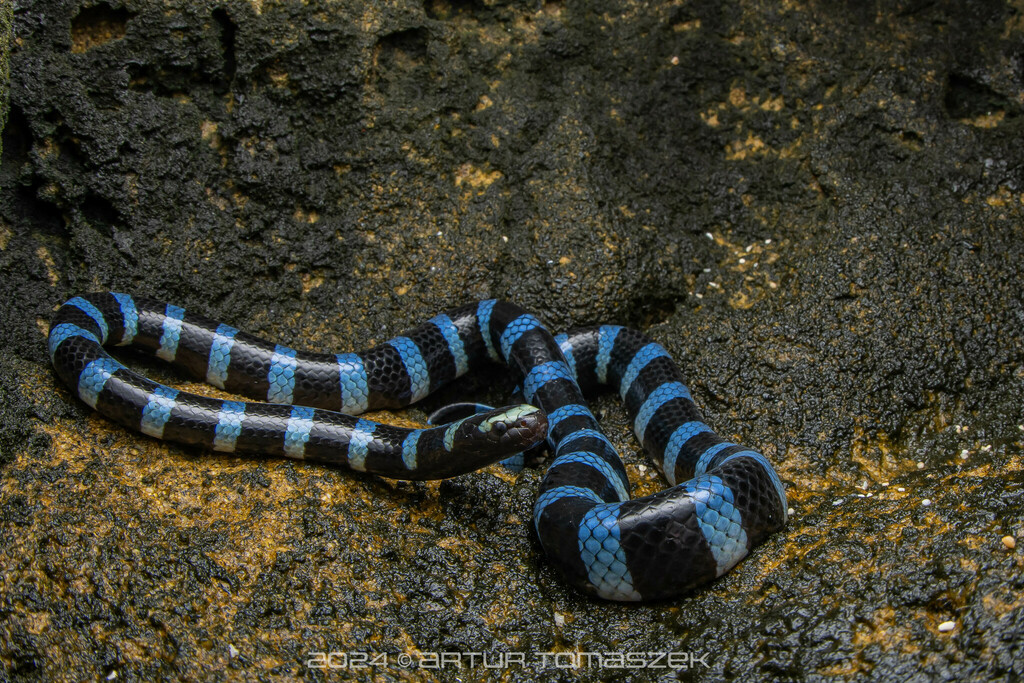
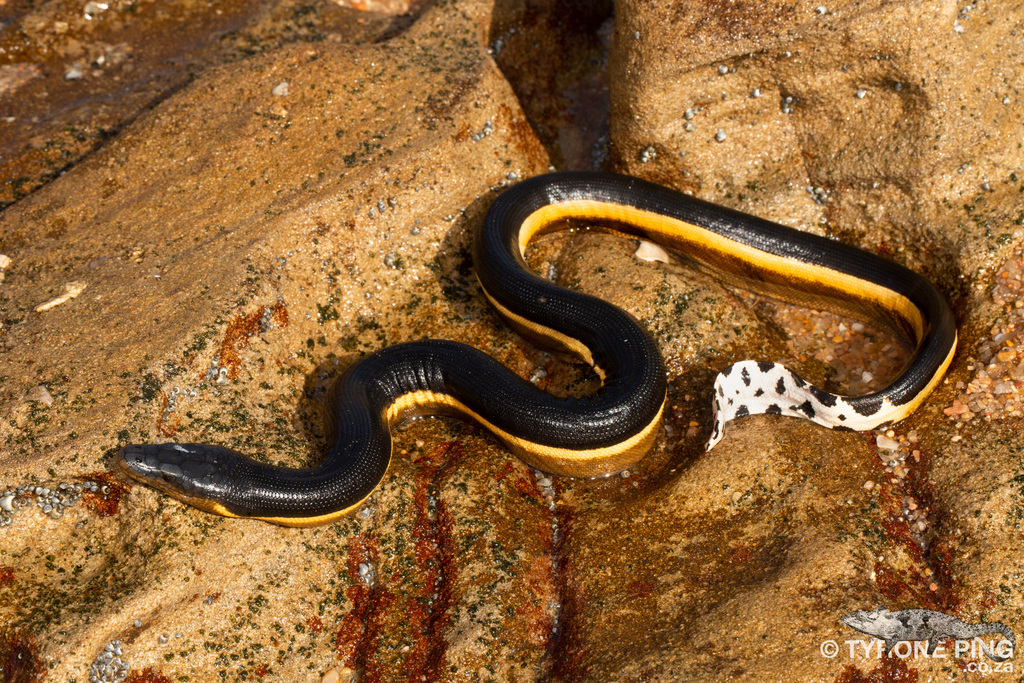
I think sea snakes are super fascinating because they are often actually shaped for the water: their tails are often laterally compressed into paddle-like fins adapted for swimming (including on the blue-lipped sea krait, although this is displayed more prominently on the yellow-bellied sea snake below), and they can hold their breath for extended dives. They are stunning to look at, and it is beautiful how thoroughly adapted they are for a totally different environment. They are also highly venomous yet incredibly placid and inquisitive (see this video).
There are many colubrid snakes (this is the largest snake family, and contains many of the "typical snakes" people often think about), making it challenging to select just one. So I won't!
My favorites:
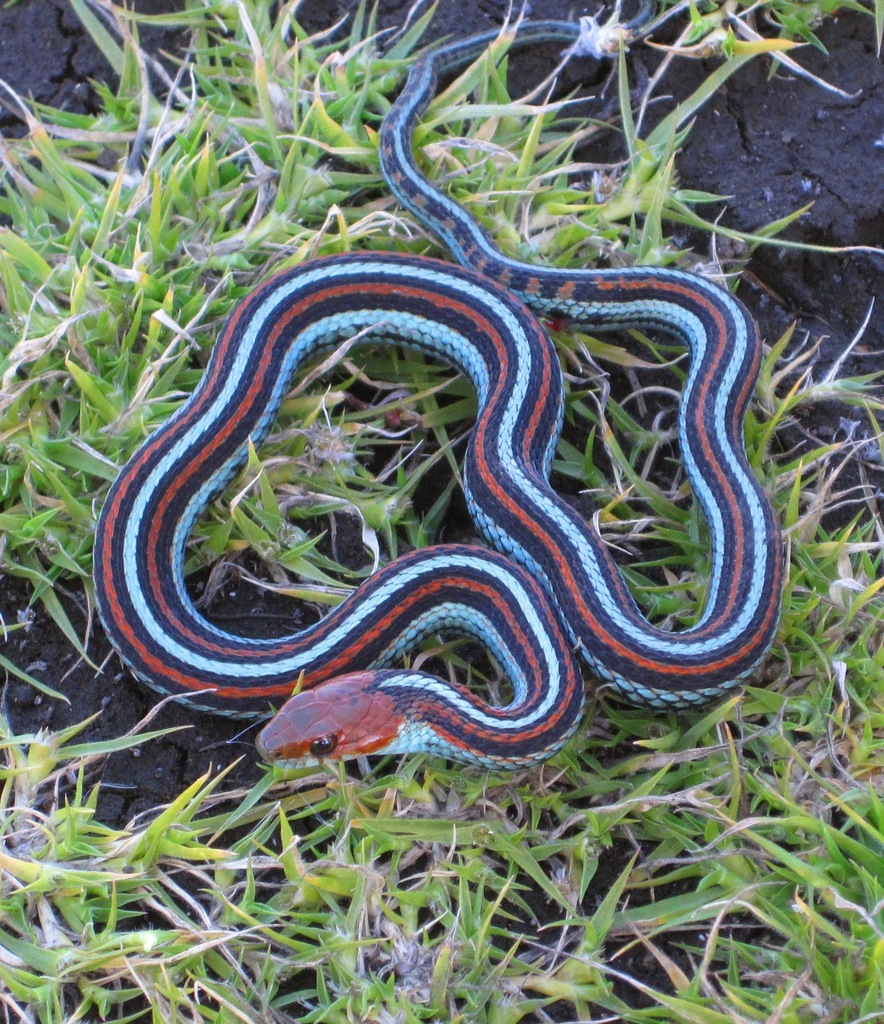
Garter snakes (Thamnophis) — I feel like they are overlooked for being common. However, they are great for a variety of reasons! For one, they are visually striking, especially in cases like the endangered remaining population of the San Francisco garter snake (Thamnophis sirtalis tetrataenia), although even your "run-of-the-mill average garter snake" usually has an eye-catching yellow band running down the length of its body. They are well adapted to a variety of environments and show social behavior, which is quite rare in snakes.
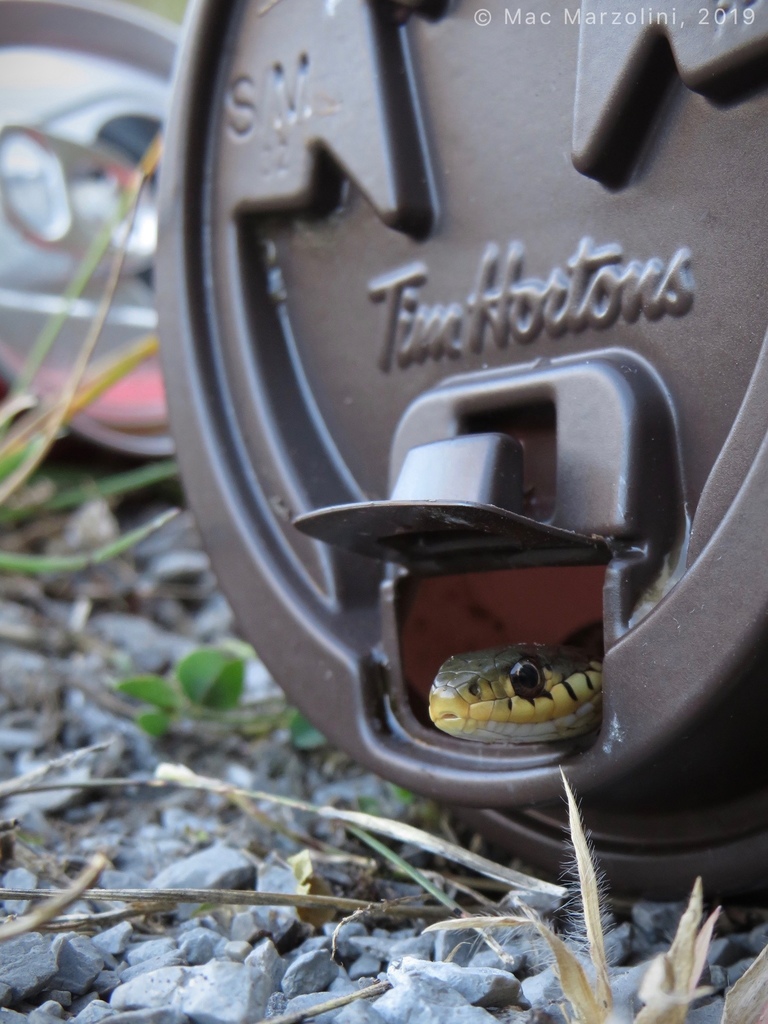
They are also broadly visual predators and lack the heat pits that pythons and vipers often have (although they do have a good sense of smell, via retrieving compounds from the air with their tongue which then places it in the roof of the mouth in the Jacobson's organ to be analyzed), which makes them quite personable when watching, as they look around with their big eyes and derpy faces for prey or predators. As visual creatures ourselves, I think it is easy to relate to other visual creatures and find them endearing (even those like jumping spiders or mantises), as they look right back at us.
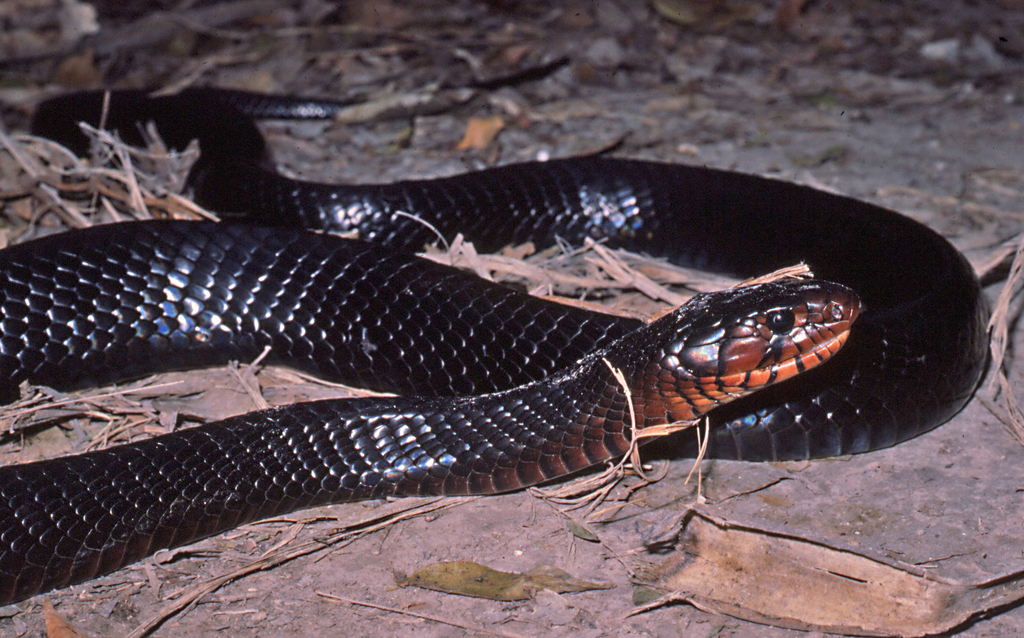
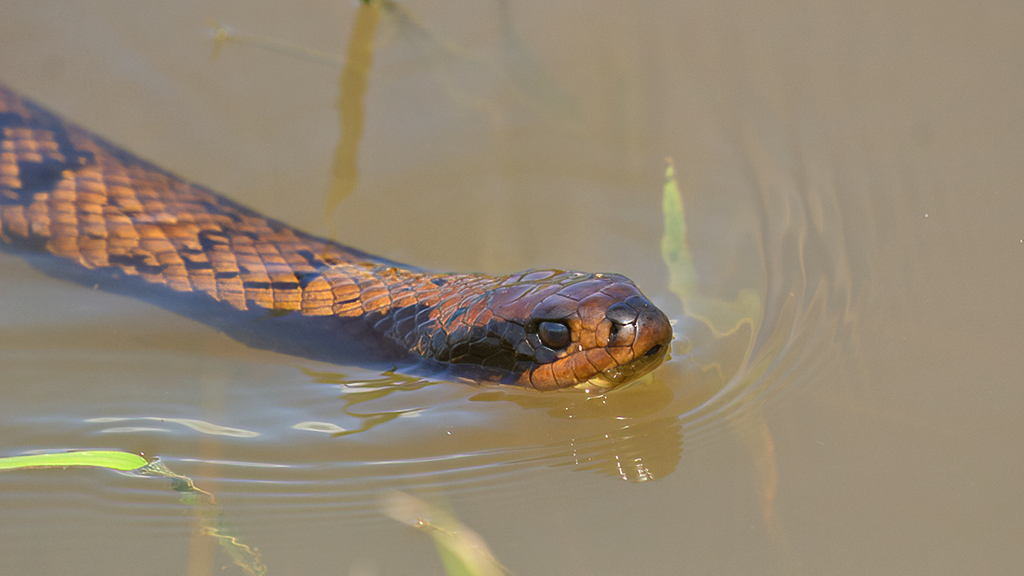
Eastern indigo snakes (Drymarchon couperi) — black, sleek, with a reddish chin, visually stunning, long, and remarkably intelligent. They are the longest species of snake native to the United States, with the longest recorded specimen measuring in at ~9.2 feet. They are also known to occupy several specific habitats, such as longleaf pine sandhills, pine flatwoods, hardwood hammocks, cypress swamps, coastal scrub, and the edges of freshwater wetlands, often shifting between dry uplands and wetter lowlands seasonally.
I remember when I interned at the Savannah River Site (a private fenced U.S. Department of Energy site that is larger than all of Washington D.C., where I had the opportunity to work with staff at the Los Alamos National Laboratory and the Savannah River National Laboratory) we had a chance to speak with a staff member at the Savannah River Ecology Lab (SREL) at the Savannah River Site (a lab which was originally started to study the impact of radiation contamination on local wildlife).
This was a very fun trip for me (as you might expect), and I was able to see several American alligators, radiologically contaminated painted turtles (which were actively contaminated from cesium), cottonmouths, copperheads, canebrake rattlesnakes, common snapping turtles, etc. Anyway, one thing I remember that she mentioned was that often snakes like eastern indigo snakes will take shelter in the burrows of gopher tortoises, and so it is important to focus on the conservation of both species in a region.
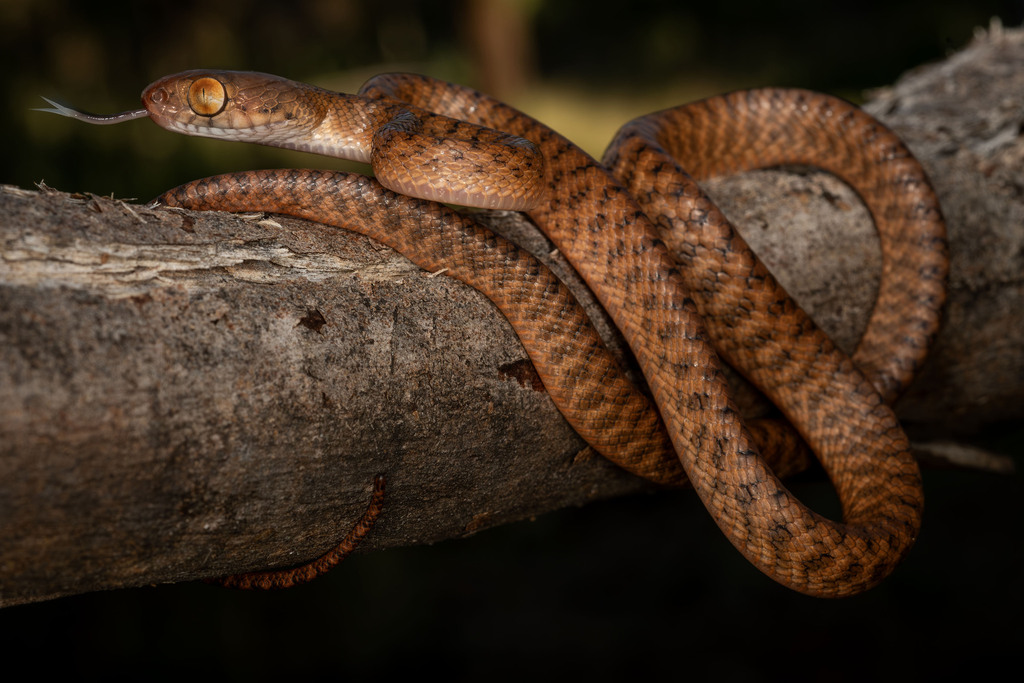
Cat-eyed snakes (Boiga) — a diverse and interesting genus of rear-fanged arboreal snakes. These colubrids are technically venomous, but this venom is not medically significant and is gradually injected via rear-fangs as they chew on something. In fact, many colubrids are technically rear-fanged venomous, such as garter snakes, false water cobras, etc. This is thought to be roughly equivalent to a bee sting. There are some grave and notable exceptions though, such as the boomslang, a lethally dangerous colubrid snake. Boiga snakes often have quite large eyes, and are often nocturnal (which influences them towards having vertical slit pupils, hence "cat-eyed"). As a brief aside, sometimes people suggest that pupils are an indicator of whether a snake is venomous, and this is usually a very bad proxy for identification. Pupil shape is usually just indicative of whether the snake is nocturnal, diurnal, or crepuscular (and how much light they ought to let in).

Northern water snakes (Nerodia sipedon) — also overlooked for being common. This was the first snake I ever found and photographed, so I have a sentimental attachment. Also very derpy.
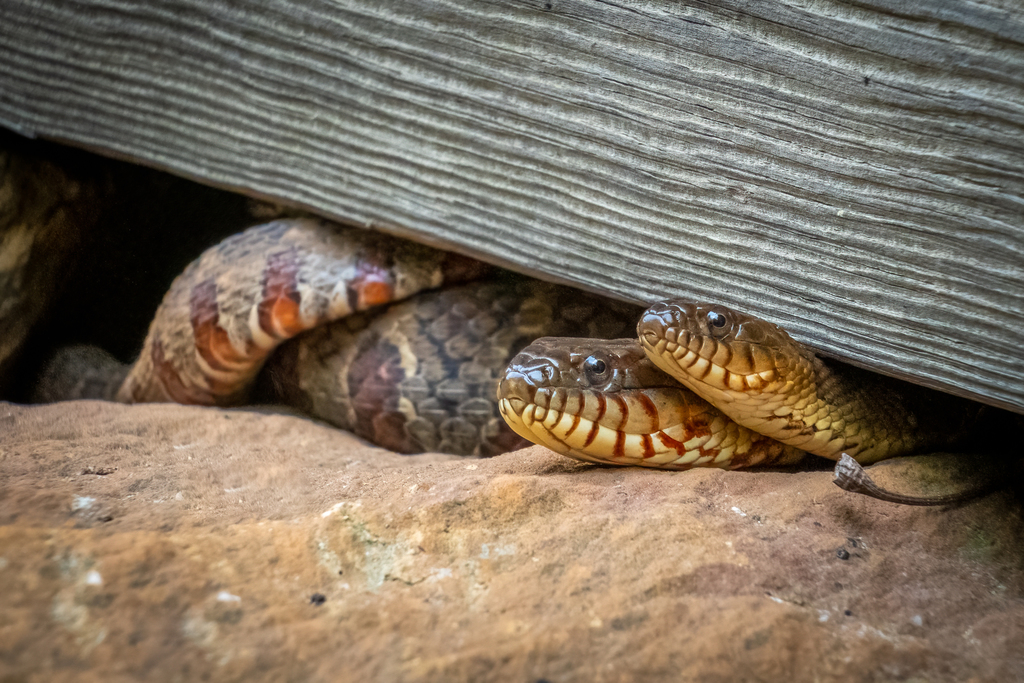
False water cobras (Hydrodynastes gigas) — not true cobras but can hood up, semi-aquatic, and very intelligent. They also tend to be quite long. I think I'm also biased by the fact that I find mimics in nature to be very interesting, when you can see that one animal converges so heavily towards copying another animal's appearance for some optimization on reproduction chances. I talk more about mimics and Batesian mimicry in my journal post "Snakes on Stanford Campus, February 15, 2026" as well as provide a simulator for showing off the mechanisms that cause it during evolution.
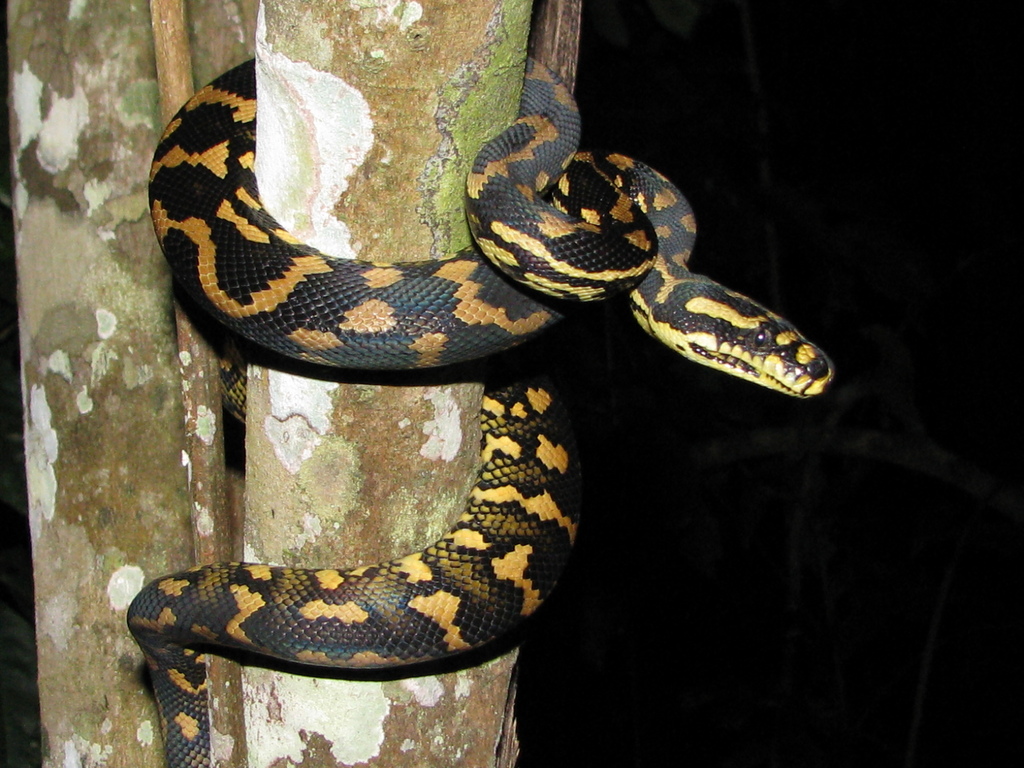
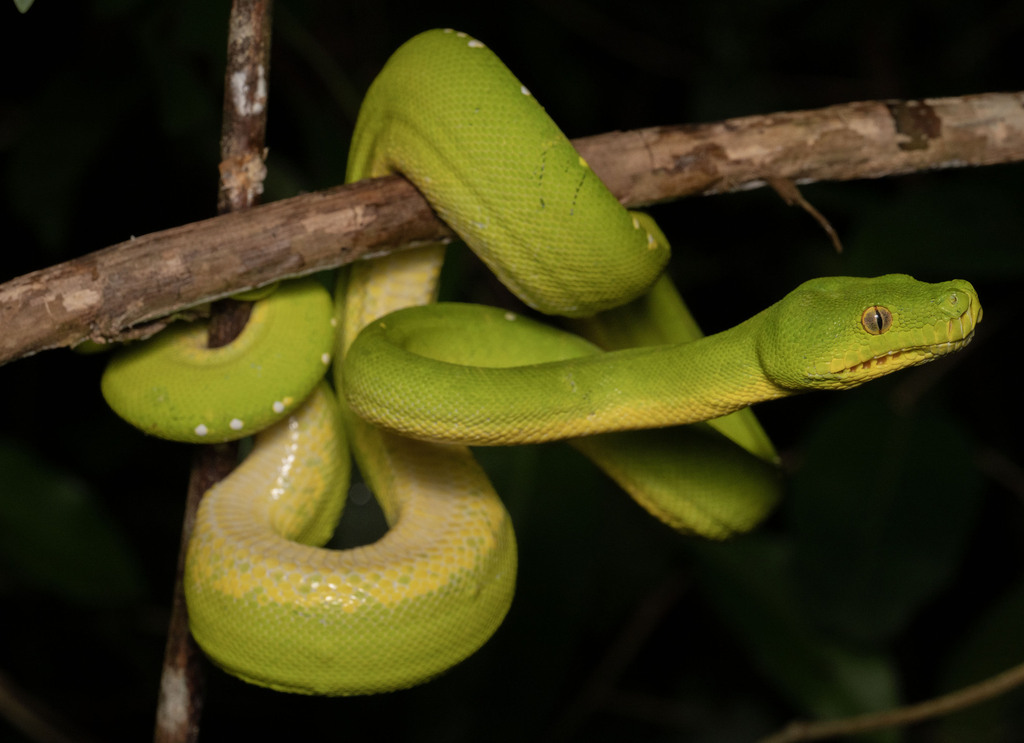
Definitely jungle carpet pythons (Morelia spilota cheynei), hence why I own one! But in general I am a huge fan of all snakes in the Morelia genus and really enjoy that classic python head shape and look. Jungle carpet pythons in particular are stunning and active generalists that are arboreal (and have prehensile tails) while also spending a decent amount of time on the ground. Green tree pythons (Morelia viridis) are stunning and have an even more arboreal lifestyle and prehensile tail.
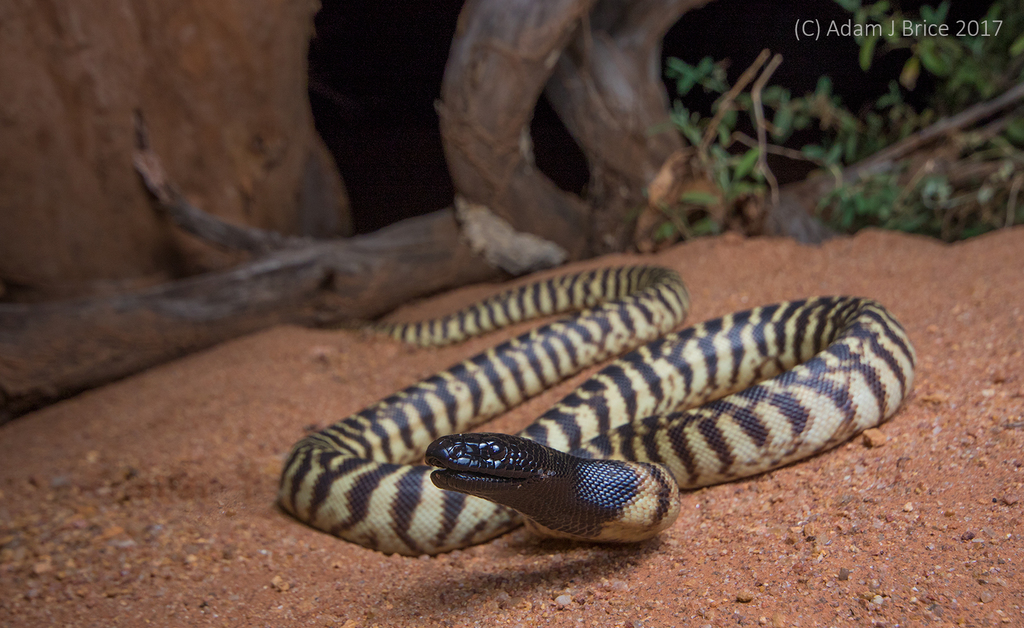
I also am quite partial to Aspidites pythons (a genus of pythons that lack heat pits), particularly black-headed pythons (Aspidites melanocephalus), which have a stunning black head (which makes the snake look like it has dipped its head into a jar of ink!) and stripes down the body.
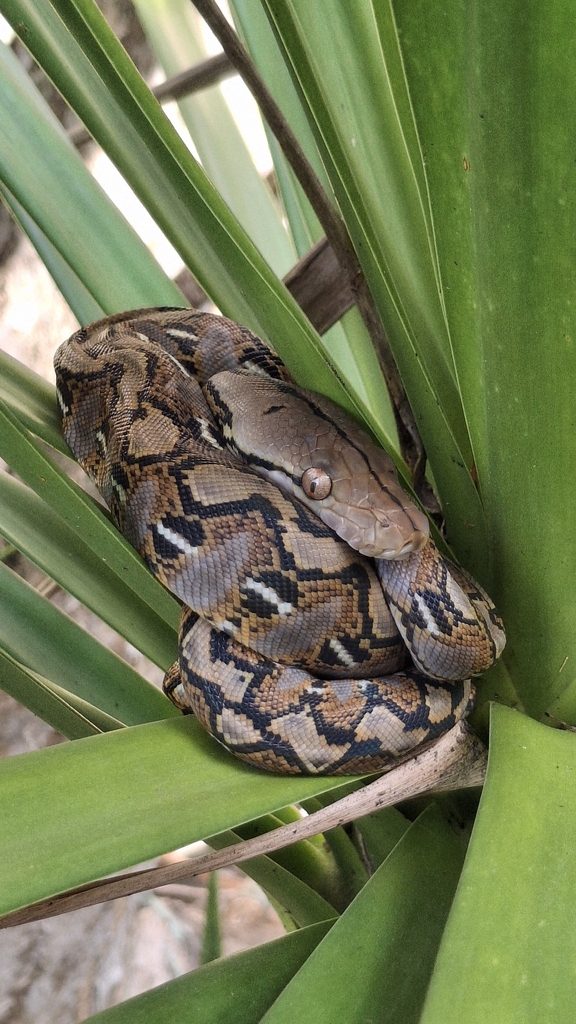
I also like reticulated pythons (Malayopython reticulatus), particularly the smaller island varieties and less so the gargantuan mainland reticulated pythons (which are impressive too! I just like the slender look of the so-called "superdwarf" retics, which I also quite enjoy interacting with).
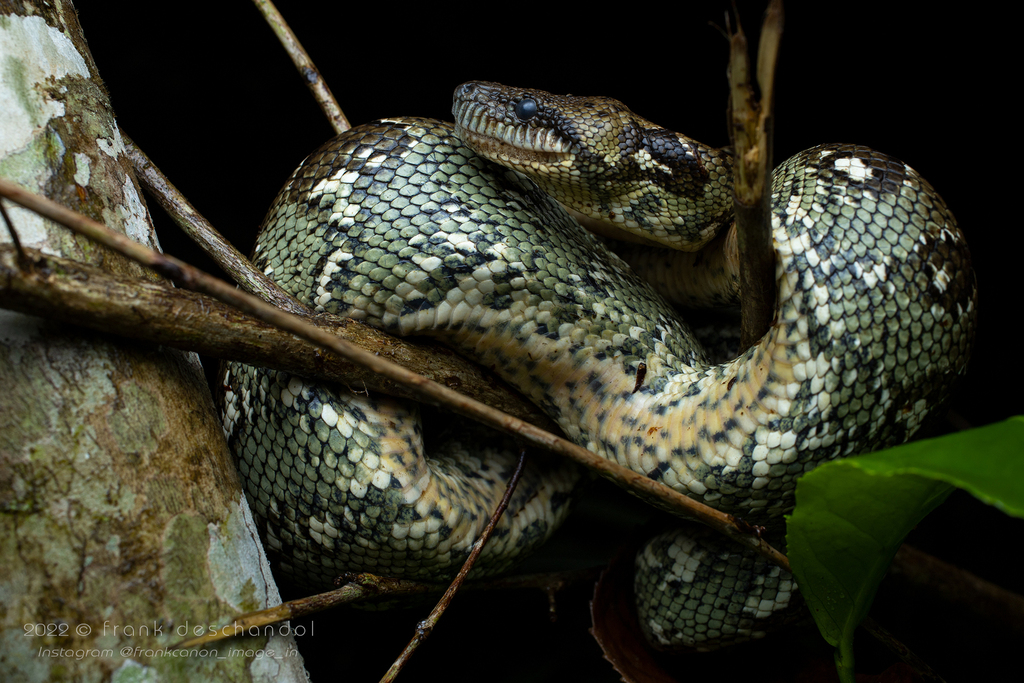
I quite like the Madagascar tree boa (Sanzinia madagascariensis), which has a very "bulldog"-esque face and some beautiful coloration, although I don't know if this can unseat the G.O.A.T., the green anaconda (Eunectes murinus).
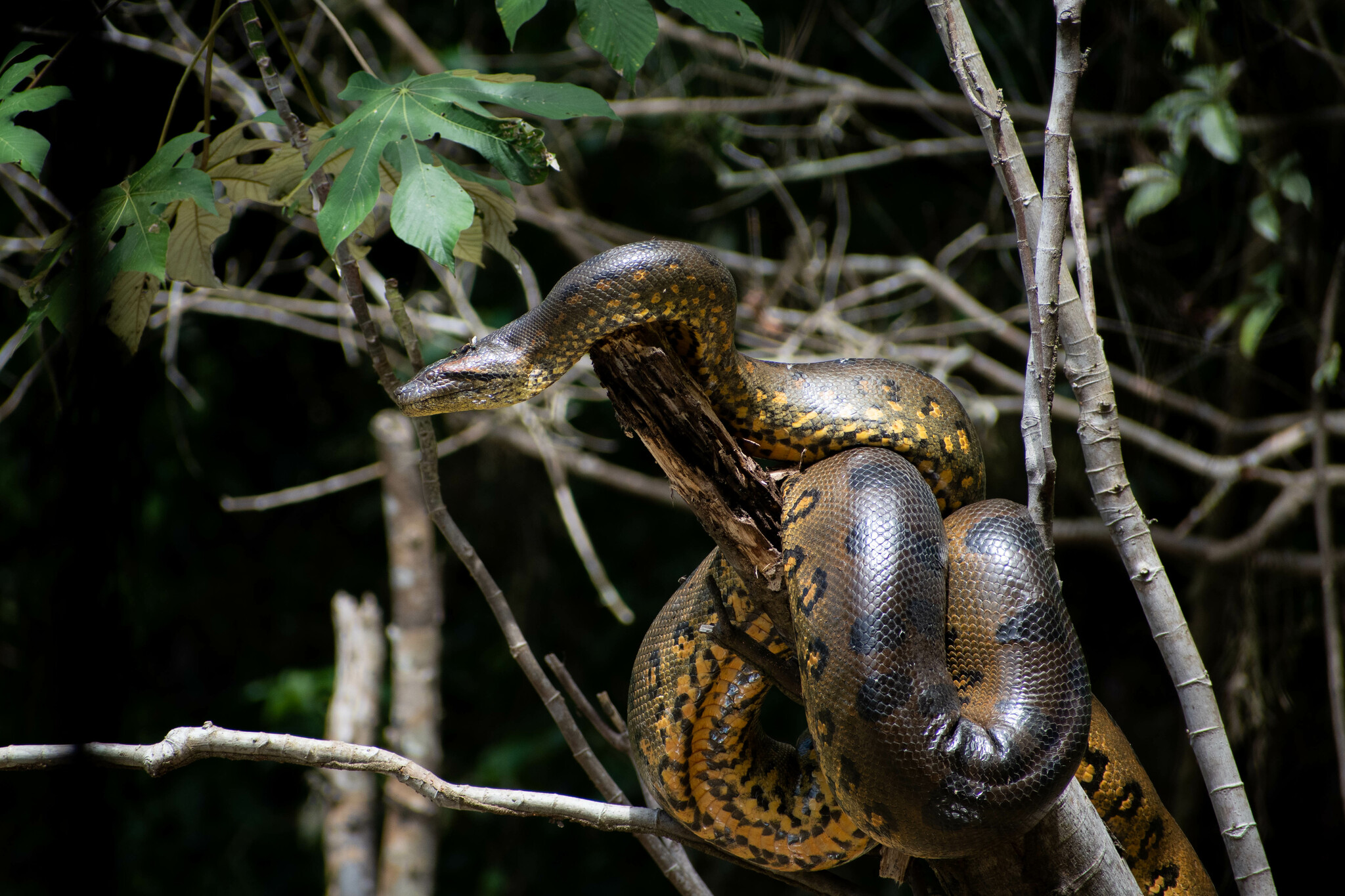
Green anacondas need no introduction: they are the most massive snakes on the planet and are large, highly aquatic predators found in the Amazon. They are very strong pound for pound (which is obvious when holding one, which I have had the privilege of doing!) and their aquatic lifestyle is very fascinating. There is also something that is just marvelous about seeing a snake that is so genuinely big.
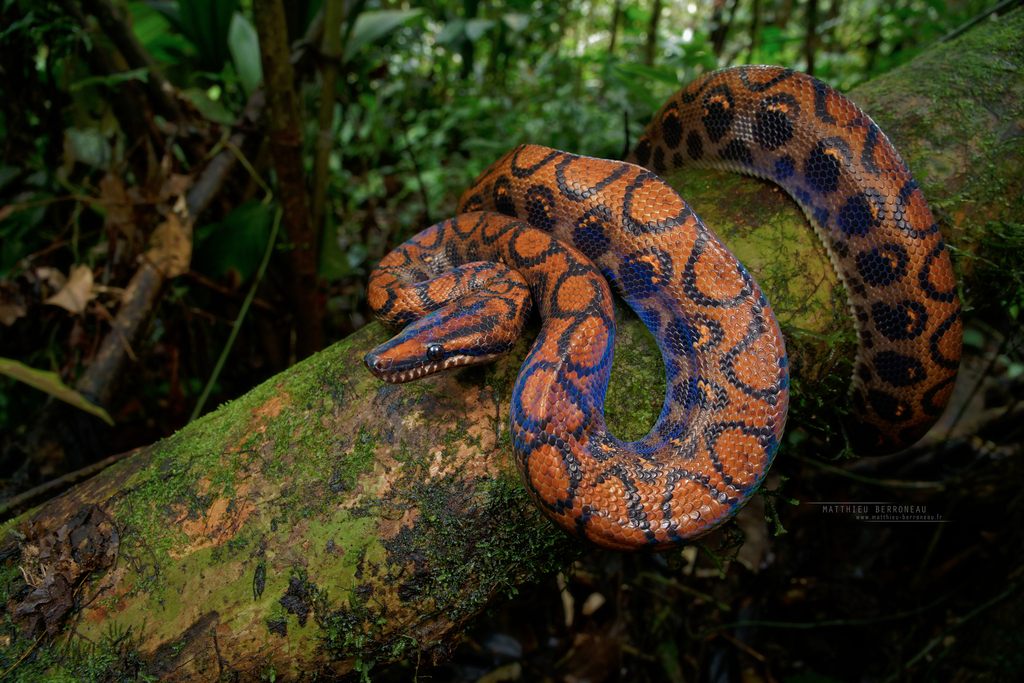
A close second is the Western rainbow boa (Epicrates cenchria), which is actually very closely related to the green anaconda! Modern phylogenetics has actually shown that continental rainbow boas (Epicrates) are the sister group to anacondas (Eunectes), meaning they are more closely related to each other than either is to the Caribbean boas formerly placed in Epicrates. This makes the traditional genus Epicrates paraphyletic with respect to anacondas, so depending on how you look at it, rainbow boas literally are anacondas! They diverged roughly only 25–35 million years ago. They are also partial to water and high humidity, and are notoriously iridescent. I have also had the pleasure of holding rainbow boas!
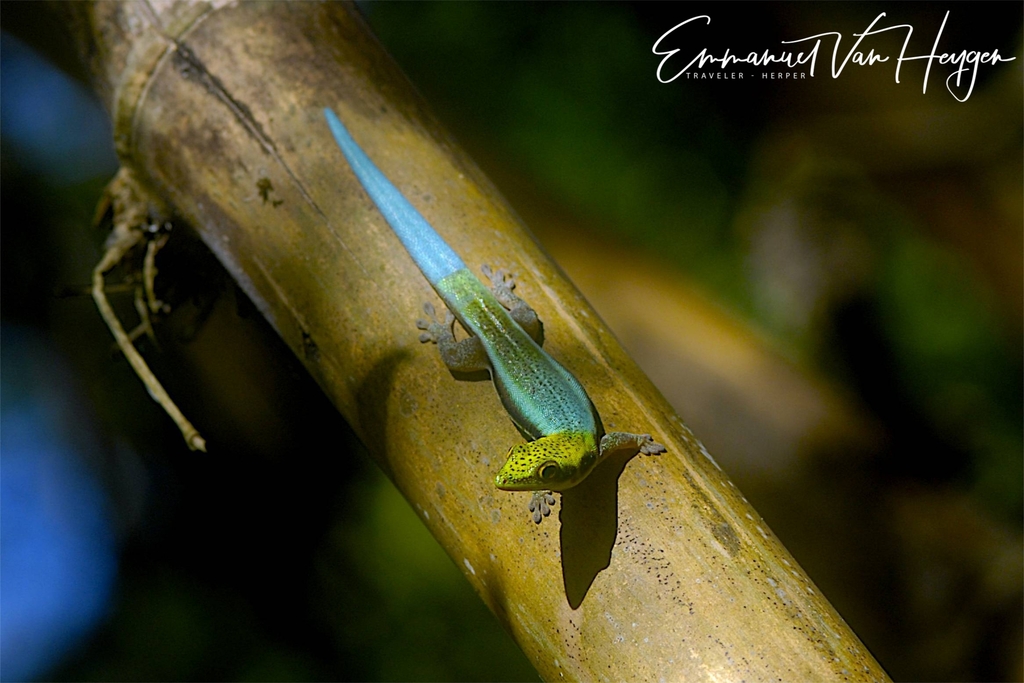
My favorite gecko is going to have to be the neon day gecko (Phelsuma klemmeri), because (1) it is my girlfriend's favorite reptile and when I see it I'm reminded of her, (2) they are adorable and very visually striking, and (3) they are derpy and placid. Sadly, they are endangered in the wild.
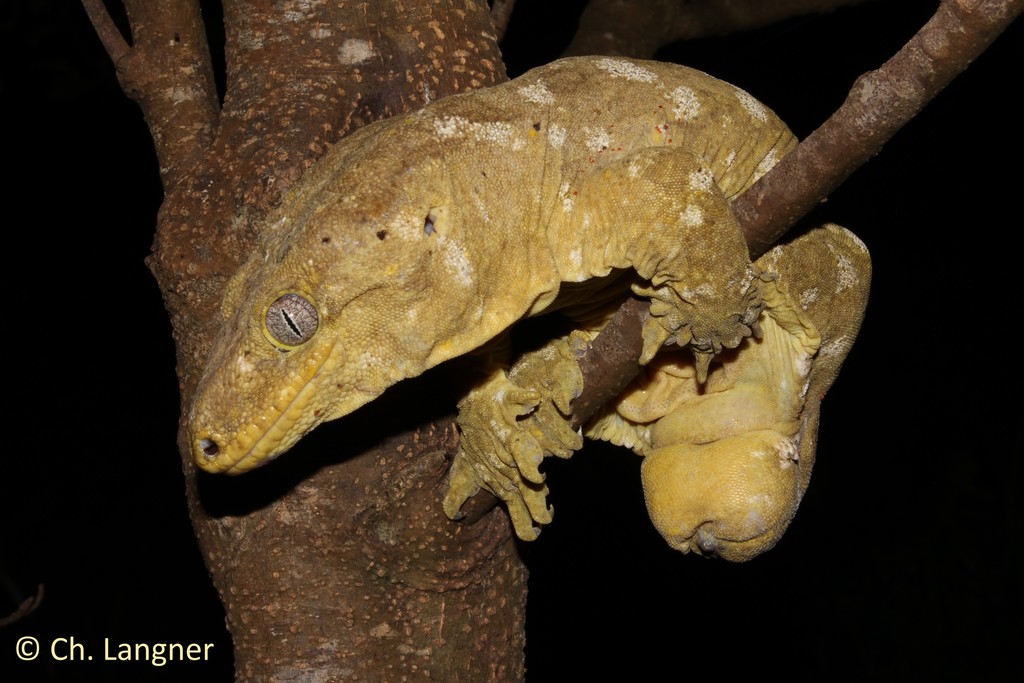
I also really like the New Caledonian geckos, particularly leachies (Rhacodactylus leachianus), which are the largest living species of gecko and have a very fun "sock puppet" look.
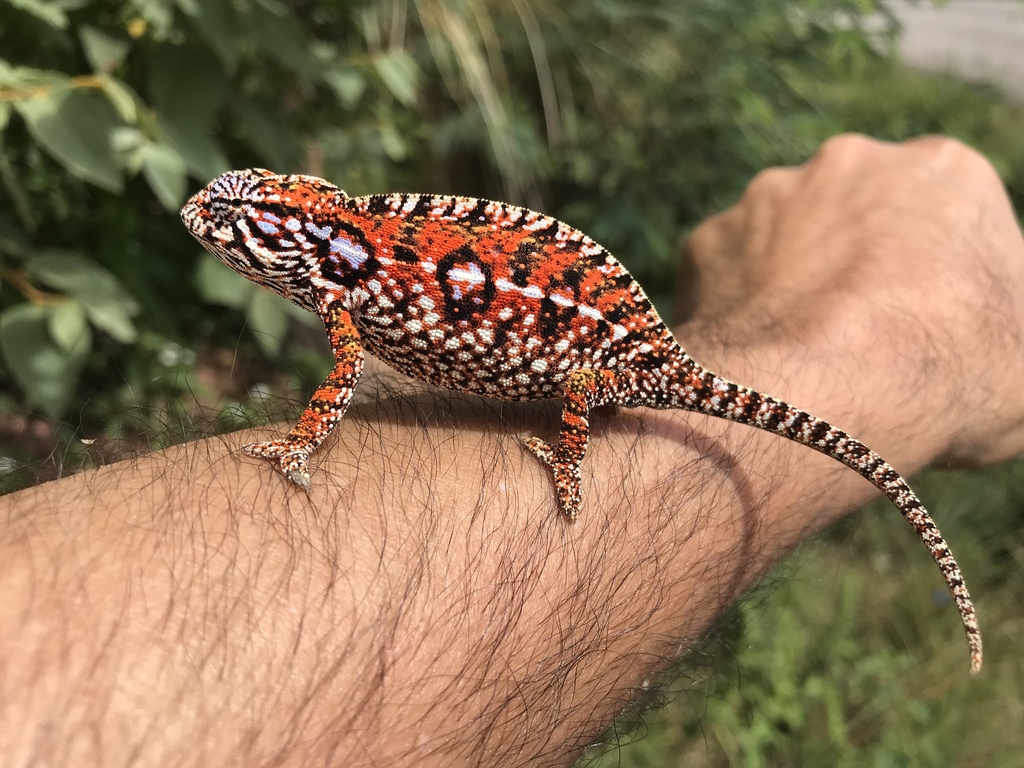
I really like carpet chameleons (Furcifer lateralis). They are small, stunning chameleons from eastern Madagascar. There's not much I have to say about these, but I do quite like their vibe. Chameleons in general are pretty cool, and have some uncommon adaptations (extremely long tongue for feeding, individually posable eyes, fingers that are fused into mittens to help with strongly grasping branches, and of course individuals often change coloration)!
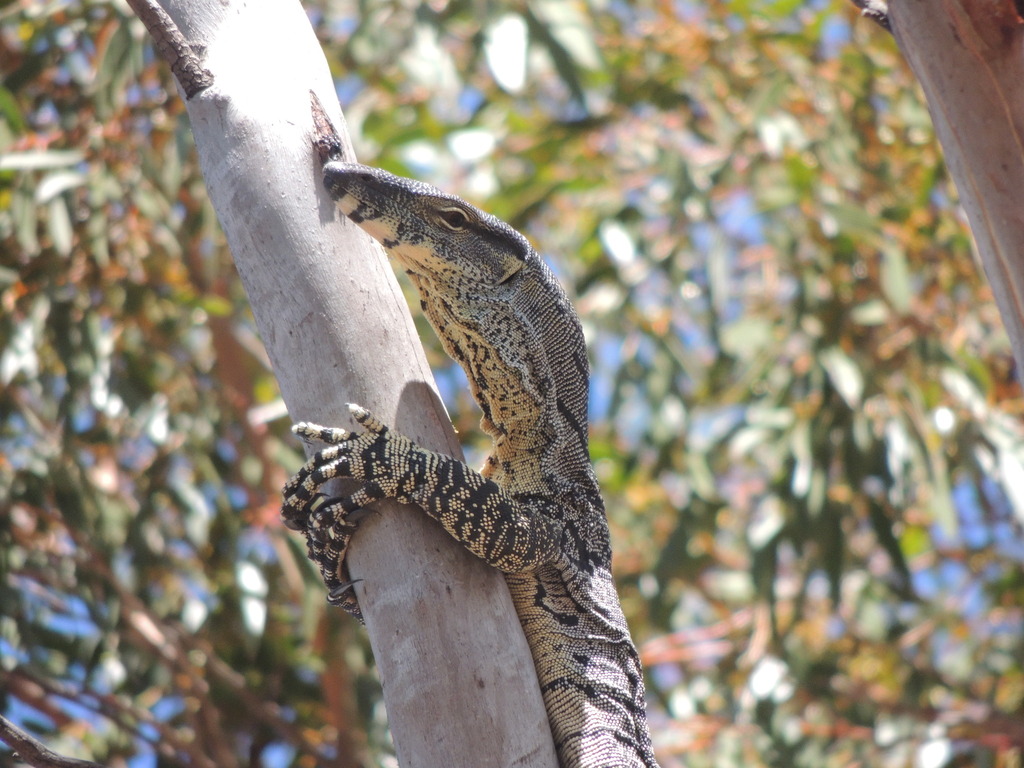
Probably the lace monitor (Varanus varius). They have the classic monitor body plan and face shape seen in Asian water monitors, Nile monitors, ackie monitors, and others, but with black and white striping as well as a decent body size. It's also been shown that you can "train" them, almost like a dog, to wave at you when they want to come out of the enclosure and to raise their arm to be lifted out. Their behavioral outputs clearly imply that they are quite intelligent animals:
See this YouTube video.
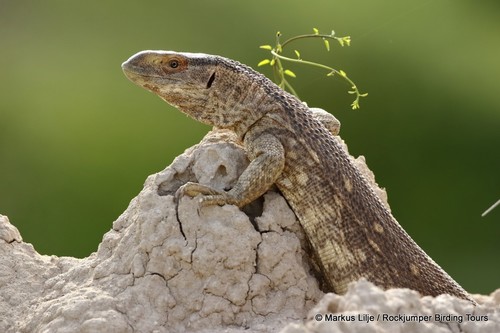
I also like black throat monitors (Varanus albigularis microstictus) / savannah monitors (Varanus exanthematicus) and the stocky, heavy-headed body plan of the African monitors, although I slightly prefer the more "raptor-like" looking monitors.
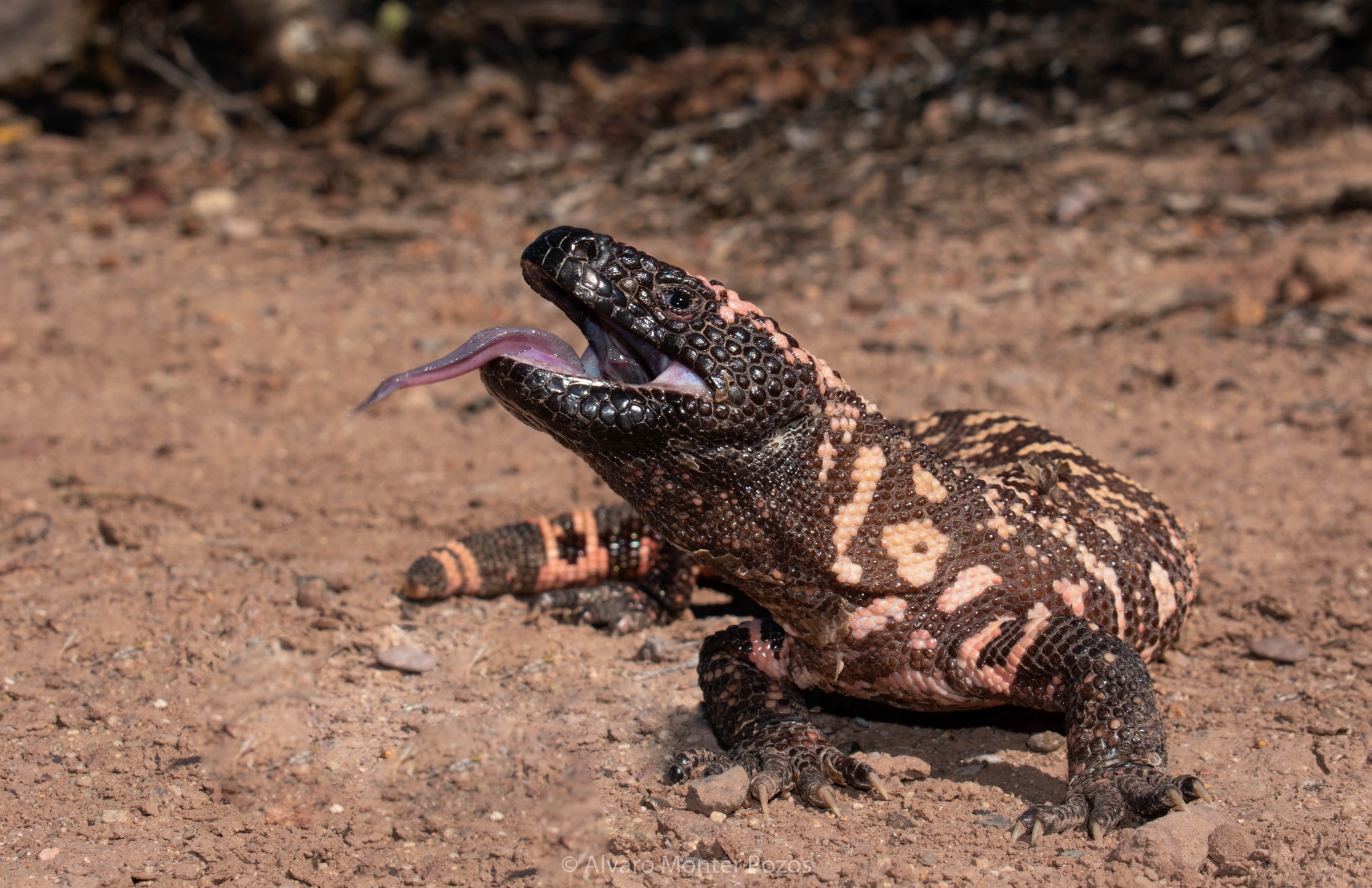
As far as other lizards go, I'm a big fan of Gila monsters (Heloderma suspectum), one of the only venomous lizards in the world, as well as caiman lizards (Dracaena guianensis), which are large and inquisitive lizards with scutes akin to a crocodile and beautiful red and green coloration.
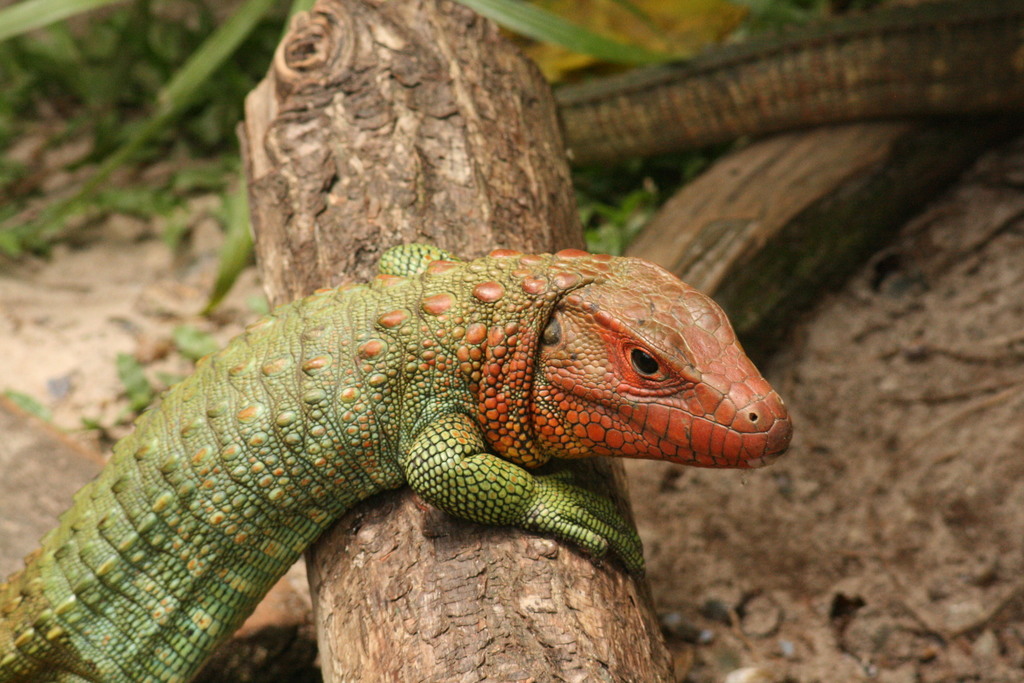
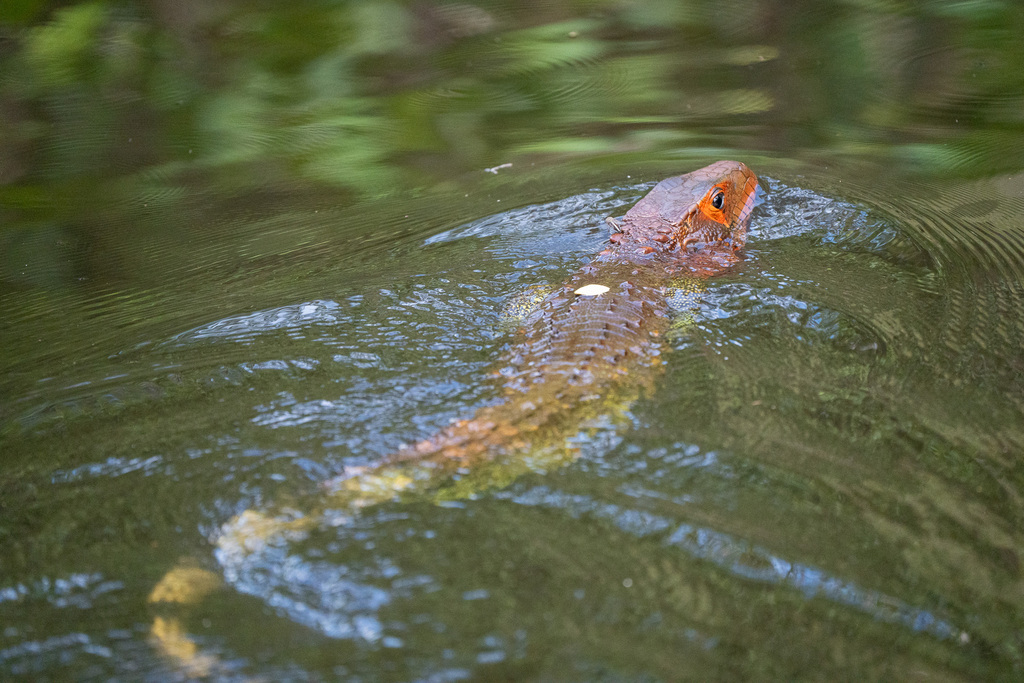
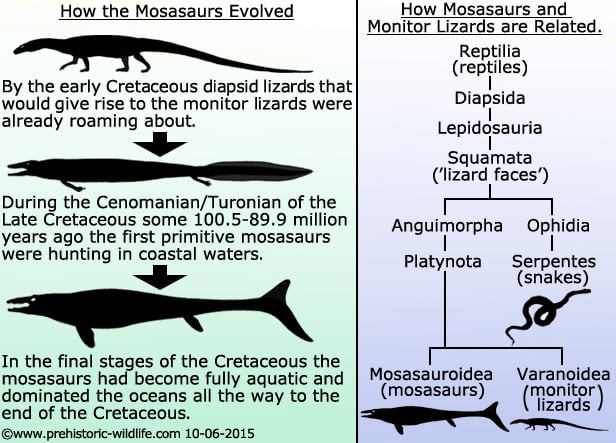
Watching a caiman lizard swim feels a bit like watching a mini Godzilla, and I'm reminded of how mosasaurs descended from shared ancestors of monitor lizards / varanids that ventured into the ocean.
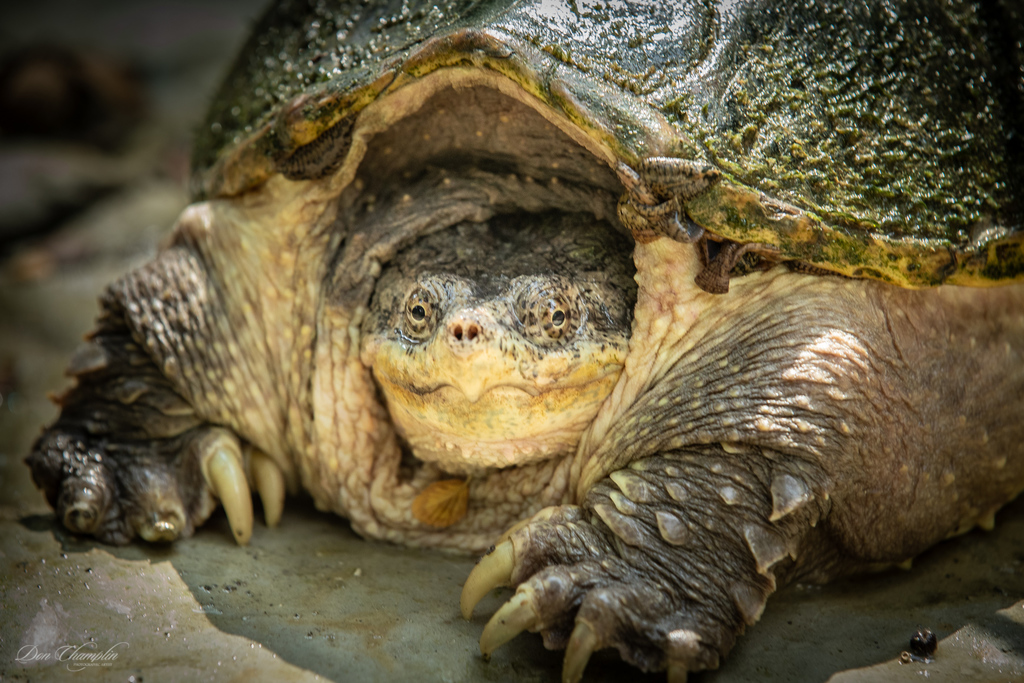
I adore snapping turtles, especially common snapping turtles (Chelydra serpentina), which I have spent a decent amount of time finding and photographing in ponds in my hometown in northern Virginia. One interesting fact about these is that they often catch prey via suction feeding, where they rapidly expand their throat volume while snapping forward with their jaw (in a similar way to the mata mata turtle, which is probably my second favorite turtle!). Suction feeding is actually a very successful feeding strategy and is common among aquatic vertebrates (used by the majority of ray-finned fishes, many amphibians, etc.).
More information on this, as well as other fascinating feeding strategies, can be found in this YouTube video!
(Aside: the creator behind this video, Clint Laidlaw, is a biologist/herpetologist, university instructor, and a fantastic educator! I would highly recommend his channel, it's where I learned a lot of what I know about different phylogenies, evolutionary mechanisms, and herpetology.)
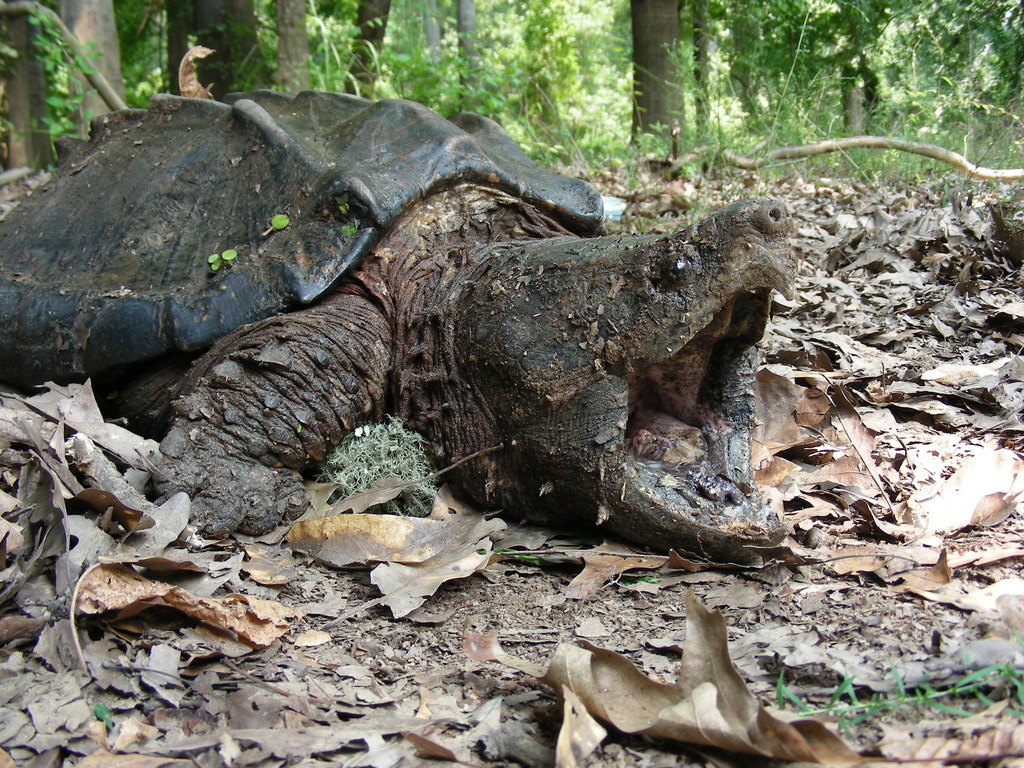
There are also alligator snapping turtles (Macrochelys temminckii), which look undeniably more metal but lack some of the charm and intelligent inquisitiveness of the common snappers (and feel a little bit more like the personification of a bear trap, as they sit at the bottom of ponds and wiggle their worm-like tongue as a form of aggressive mimicry to attract prey items).
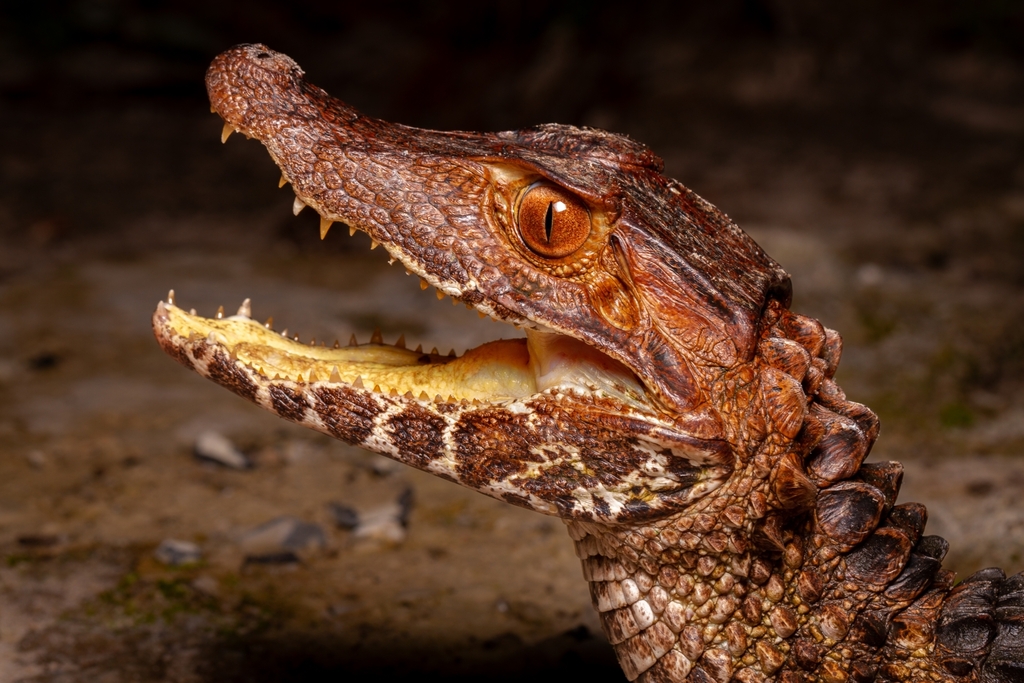
Cuvier's dwarf caiman (Paleosuchus palpebrosus) is a small crocodilian (the smallest of all living crocodilians, in fact, unless we count Osteolaemus osborni, which is debatable), but is mighty nonetheless! They have a feisty attitude, red eyes, semi-translucent teeth, and in general look prehistoric. They were named after Georges Cuvier, the founding father of paleontology.
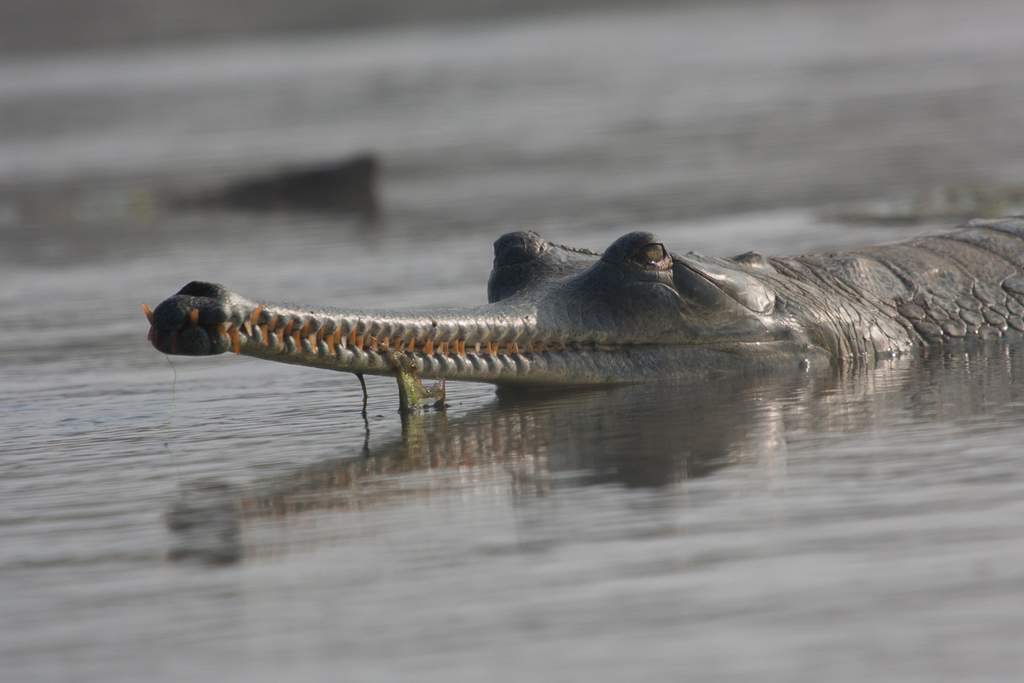
I also love gharials (Gavialis gangeticus), which are a very large species of fish-eating crocodilian that are unfortunately critically endangered. Gharials have large, long snouts which they thrash to the side to quickly catch fish. They do this because fish are quite fast-moving: it is hard to chase them if you are a heavy crocodilian, but it is easy to thrash and whip your head to snag one. To this end, crocodilians also have Integumentary Sensory Organs (ISOs) covering much of their body, which are little sensors that allow them to detect microscopic ripples in the water even with highly reduced visibility. So a gharial might sit in the water, wait for a fish to come by (as sensed via the ISO mechanoreceptors), and quickly whip its head to catch it.

It has been shown that ISOs are sensitive to mechanical, thermal, and pH stimuli (paper), which is very impressive.

So basically to get the figures for the above experiment, they have some probes attached (not to the brain, but to various ISOs directly) and they record the electrical signals here to parse through whether the ISOs are discerning various stimuli (subtracting the baseline signal from the reference electrode with no stimulation).
Absolutely shameless plug here but this reminds me a lot of how we've been using puzzles to study Evaluation Awareness (EA) in LLMs with linear probes (where we take cases where verbalized-EA emerges via a discovered cue or via it organically bubbling up, and subtract from the baseline probe scores in the same puzzle when no cues are setup and no verbalized-EA emerges, which helps us understand how reliable different probes are and how verbalized-EA relates to Latent EA), go check out my post on this in my blog!
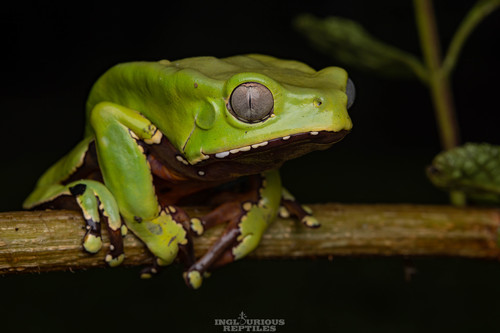
I quite like the waxy monkey tree frog (Phyllomedusa bicolor), which is a large, nocturnal, arboreal, and slow-moving tree frog. It's selected for by evolutionary pressures to be slow and cautious when you're a large and soft frog, and one slip from the canopy could end your lineage! They have a very interesting head shape, accentuated by their poison glands for deterring predators.
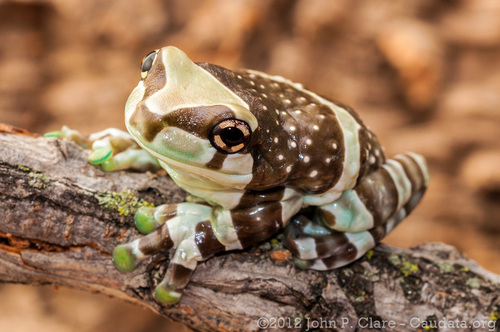
I also quite like the Mission golden-eyed tree frog (Trachycephalus resinifictrix), which is a classic-looking tree frog with black and white coloration and a blue tint.
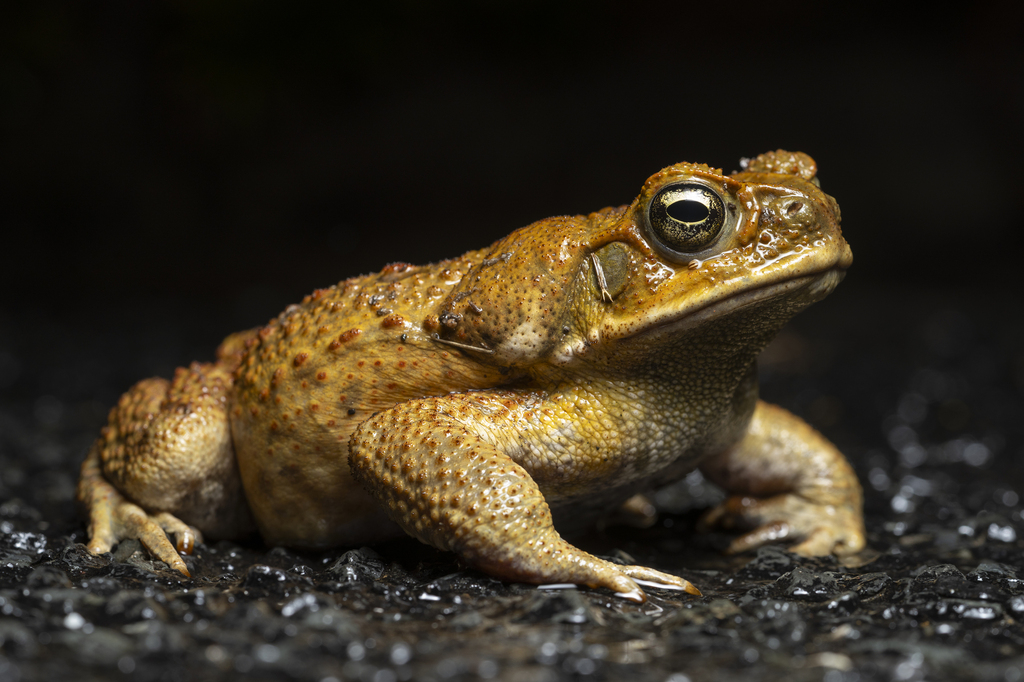
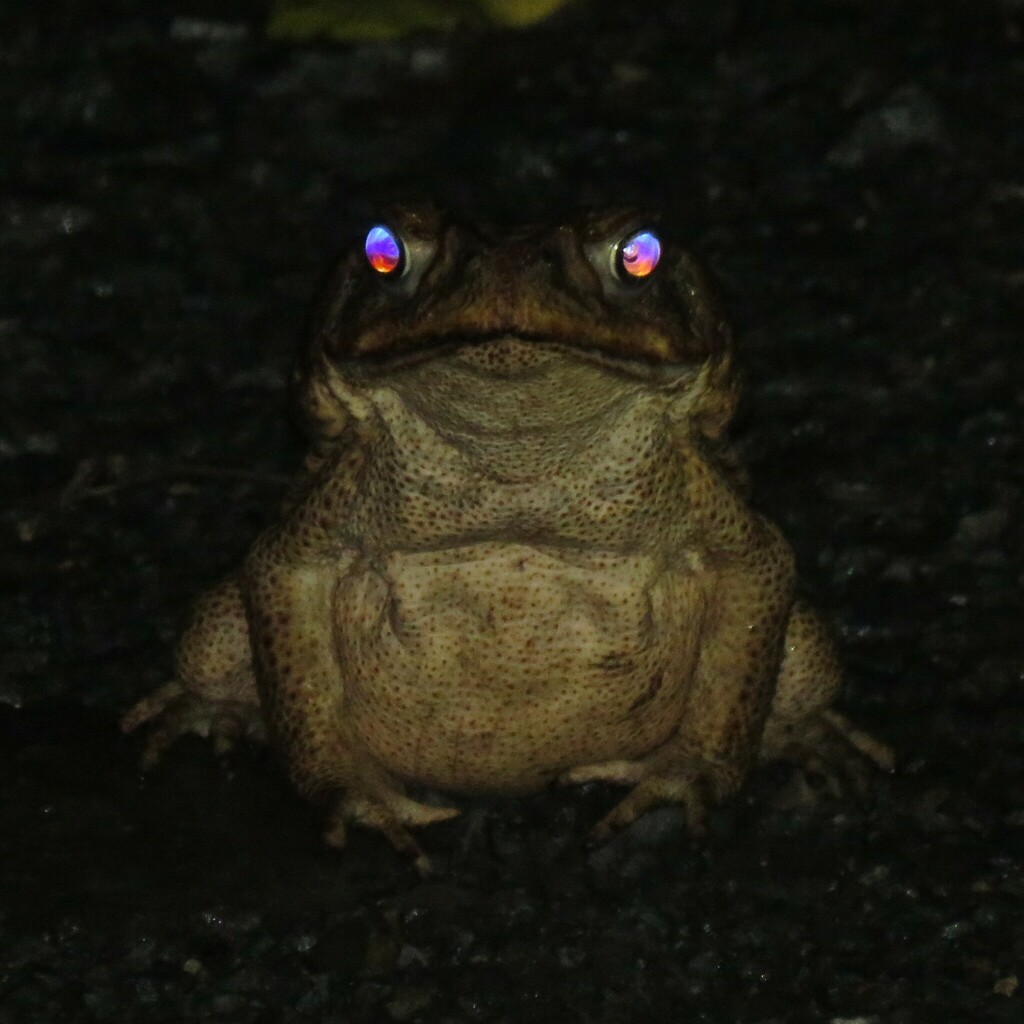
I would say my favorite toad is probably the cane toad (Rhinella marina), also known as the marine toad, which is an exciting large species of true toad within its natural range. Unfortunately, these toads are highly invasive and cause major ecological problems when introduced to new areas. They are a large (reaching up to 9.4 inches), generalist, dominant species of toad that are highly toxic to many predators when ingested. The cane toad has been previously and intentionally introduced to new regions to eliminate sugarcane pests (hence the name), most infamously to Australia in 1935, where they spread explosively and became one of the continent's most damaging invasive species.
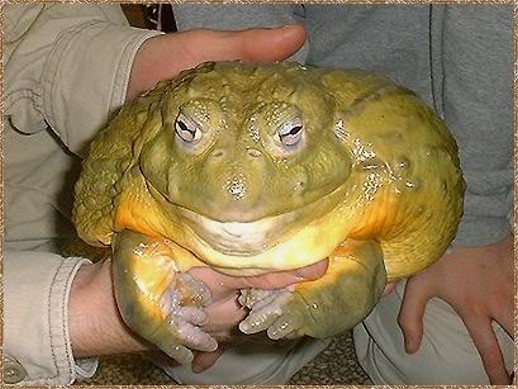
As far as other frogs go, I'm also very interested in pixie frogs (Pyxicephalus adspersus), which have a seemingly deceptive name. Pixie frogs get their common name from the genus Pyxicephalus (which means "box-headed") and not from small mythical fairies and sprites. They are additionally often called African bullfrogs! They have a very interesting life strategy as a large sedentary predator capable of forming cocoons during dry seasons to prevent water loss. Press the toggle to switch the image from a baby pixie frog to an adult pixie frog!
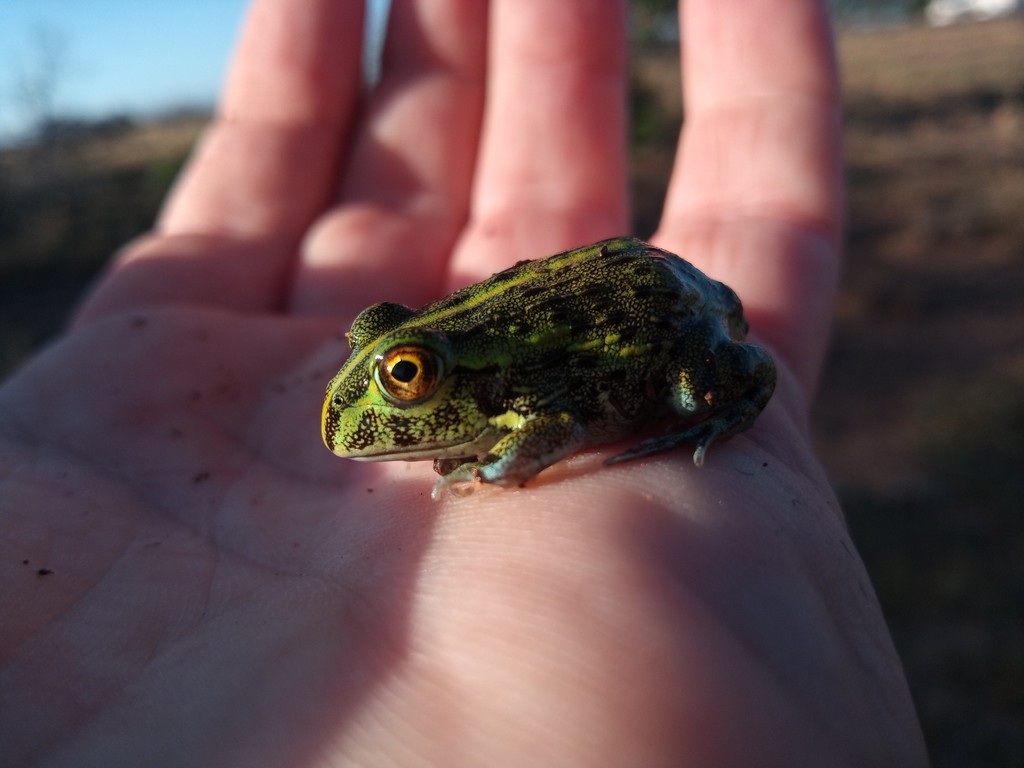
Baby pixie frog. Source on iNaturalist.
Notorious photo of a large adult pixie frog. Photo from exoticpetvet.com.
Many salamanders are quite neat! But my favorite salamanders are definitely those in the family Cryptobranchidae (a family of large, fully aquatic salamanders), especially the South China giant salamander (Andrias sligoi). These things are gargantuan (nearly 6 feet!). I don't think people truly realize how big salamanders can get.

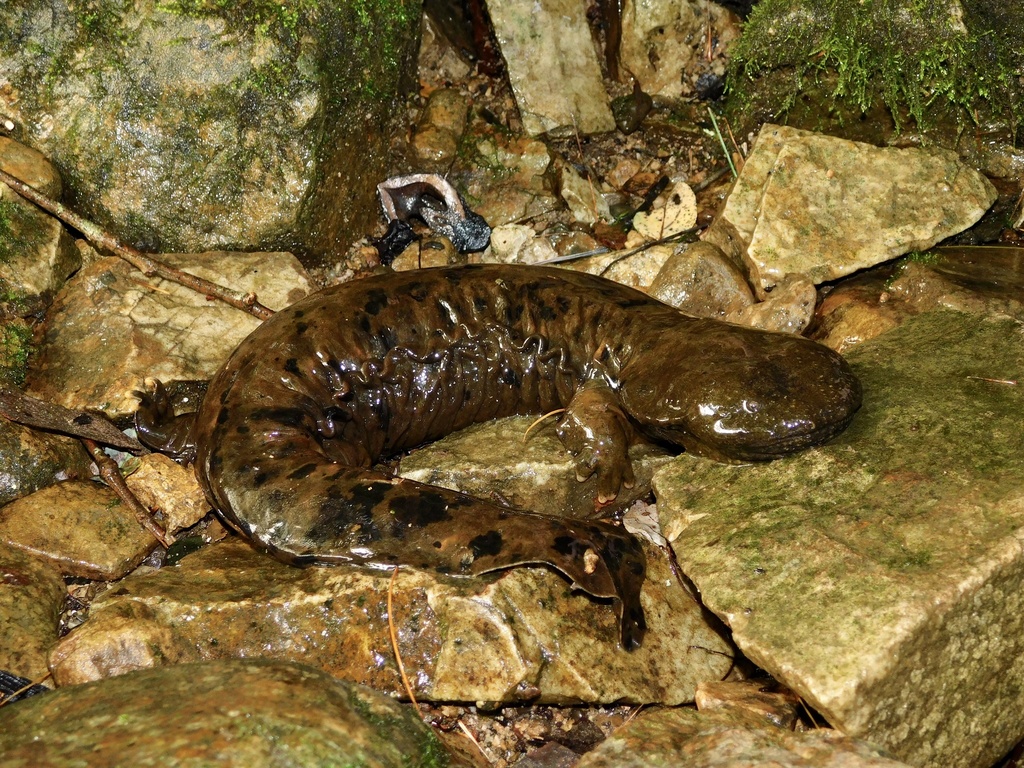
I also am a big fan of the hellbender (Cryptobranchus alleganiensis), which is also in this family and is native to the United States! Cryptobranchids are an ancient lineage, with a fossil record stretching back to the Cretaceous, making them one of the oldest extant salamander families. While not as gargantuan as Andrias sligoi, the hellbender is still by far the largest salamander in its range! It also breathes in a pretty strange way: instead of pulling air into lungs like most animals, it pulls oxygen directly out of the water through wrinkly folds of skin running down its sides. The folds are dense with blood vessels just beneath the surface, and crumpling the skin into ripples lets the animal squeeze far more skin area into a small space, giving oxygen many more spots to pass from water into the bloodstream. So effectively, the hellbender turns its own flanks into giant external gills.
I really enjoyed getting to hike at the Pinnacles National Park with a few friends, before we drove up to Yosemite the next day! It was a chaotic mix of hiking, chatting, herping, and driving around this neck of the state. While we were at the Pinnacles, I saw a few interesting herps. First, I spotted a common garter snake cruising in Bear Gulch Reservoir, which swam right up to me, after which I promptly slipped in and soaked both my shoes while attempting to get a closer photo (sadly I wasn't able to snap a pic). As we hiked along, we saw the usual assortment of many many fence lizards, constantly skittering across the trail as we made our way through the park.
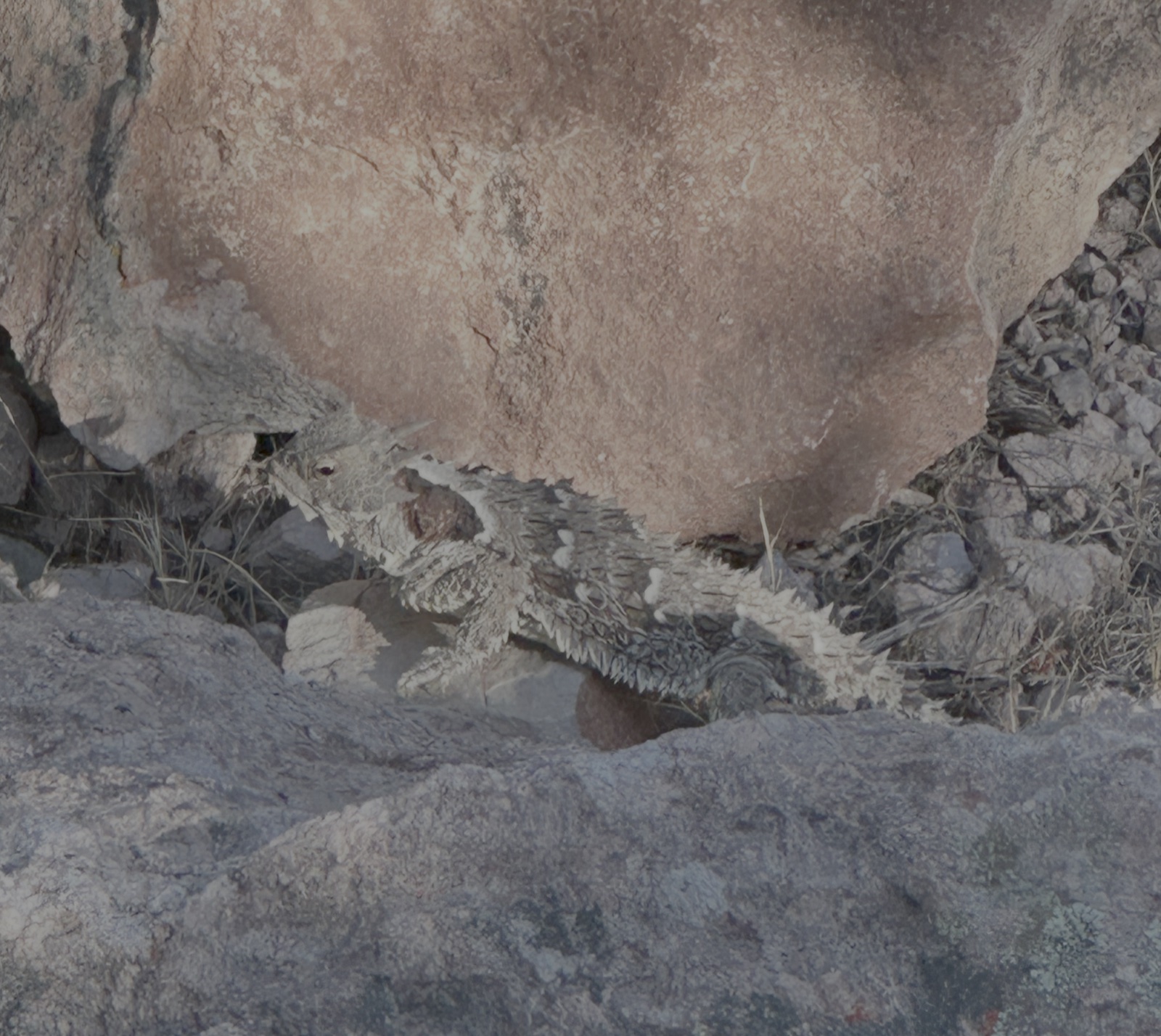
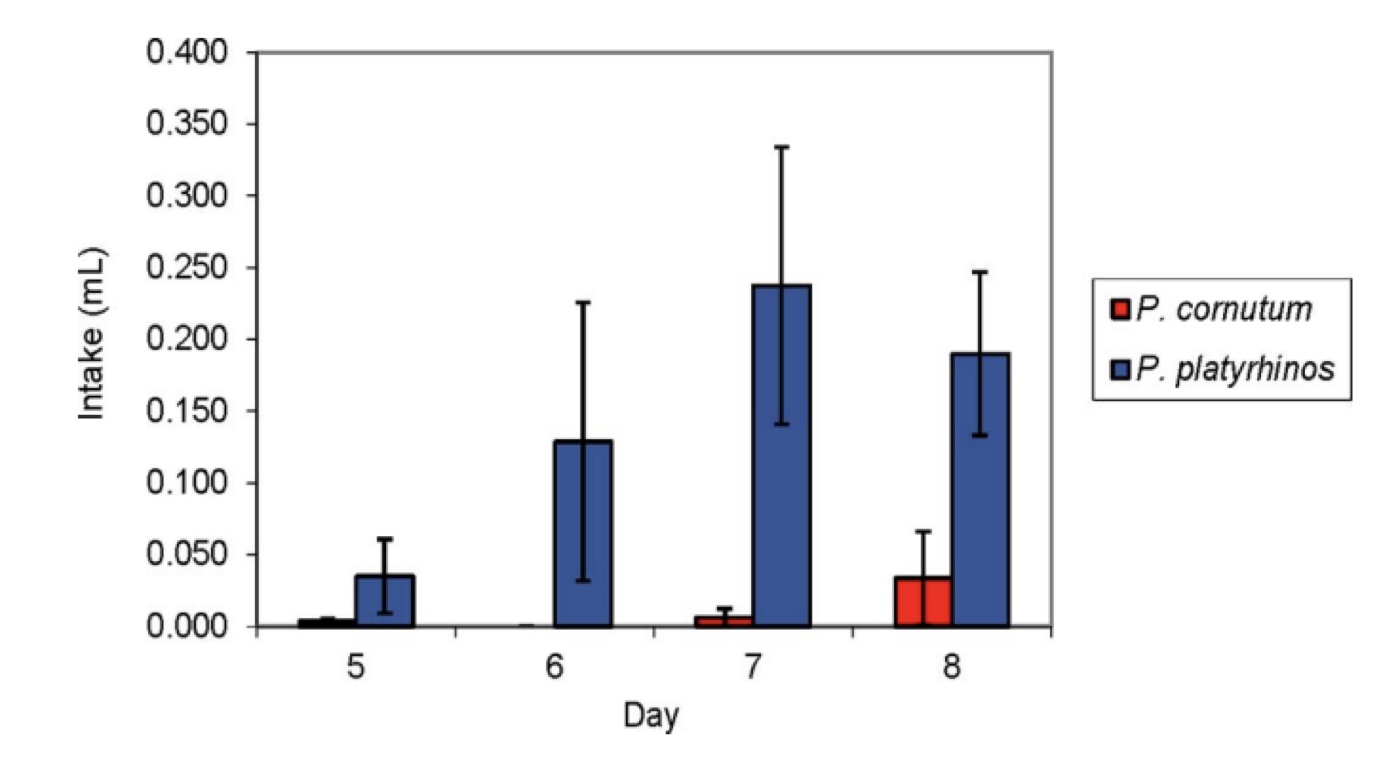
When we reached the peak though, I spotted a Coast Horned Lizard for the first time! This is a super crazy species of lizard and one I've been wanting to spot for a while, that has the capability to shoot high pressure blood out of its eyes when threatened (ocular autohaemorrhaging). This blood is shown to contain compounds repulsive to coyotes, which the lizards obtain via metabolizing the venom enzymes from harvester ants they prey upon into smaller peptide byproducts that end up circulating in the blood (implied also by the following chart). I was curious about how this came about, and I saw this paper on all of this (link here), which proposes that this behavior evolved via the lizards first adapting to be able to eat the ants, incidentally loading the blood with displeasing compounds. These lizards were already capable of regulating their cranial blood-pressure, so any incidental blood release from excess blood pressure during predator encounters would have been a deterrent and successfully increased the individual's survival prospects, which is a signal that was optimized into a controlled and regular behavior via natural selection.
Needless to say I did not get too close.
Fun fact! These lizards have a rain-harvesting system built into their skin. The channels between their overlapping scales form a network of tiny capillary grooves that wick water directionally across the body toward the corners of the mouth. Once the water reaches their jaws, they use a repeated gulping motion to drink it.
While meandering around College Terrace right by the Stanford campus in Palo Alto on my bike, I stopped by a small park with a few logs. I peeked under (if you lift objects to check under them remember always to return them exactly how you found them so as to preserve habitat!) and saw an alligator lizard and roughly ~5 or so salamanders (California slender salamanders). The temperature was relatively cool, so I was able to scoop the (relatively) slow moving lizard up for a quick photo for my journal, before releasing it.
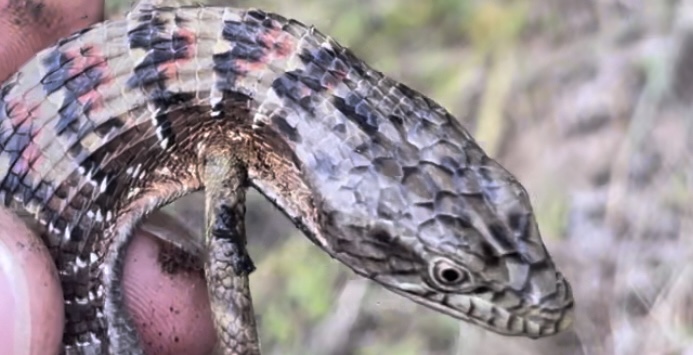
Alligator lizards have protective osteoderms, just like actual alligators, and are often quite beautiful (especially the alligator lizards in the Abronia genus).
Ok this is slightly breaking the rules of a "Herpetology" journal, but during my trip to Mendocino with my girlfriend for our 5-year anniversary of being together I started to get into tidepooling and found a variety of sea creatures! This is something we've been starting to do more often (she is taking a course this quarter at the Stanford Hopkins Marine Station in Monterey Bay, so sometimes I'll accompany her down there and we'll tidepool by the ocean and search for creatures caught by the low tide).
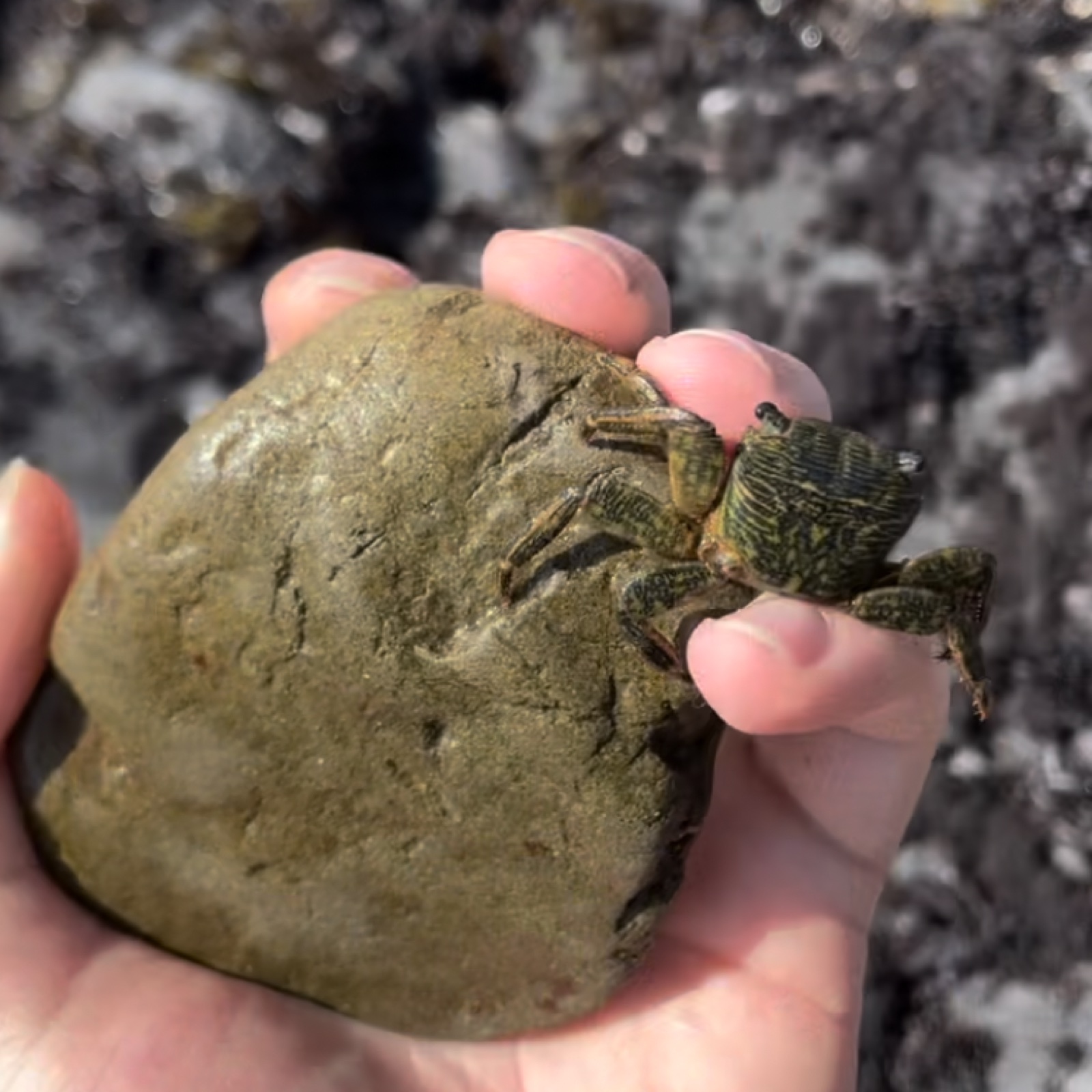
During this trip, we found a variety of crab species (striped shore crab, blueband hermit crab, etc.), an eel of some kind (which promptly darted away), many sea stars (like the ochre sea star), abalone, and other critters!
Below I have a photo of one of the striped shore crabs we found!
I was strolling around with my girlfriend and a few friends as we walked from Tresidder to the Dish to do a quick hike, when I spotted a gorgeous Pacific ring-necked snake curled up under a piece of wood in the middle of a field.
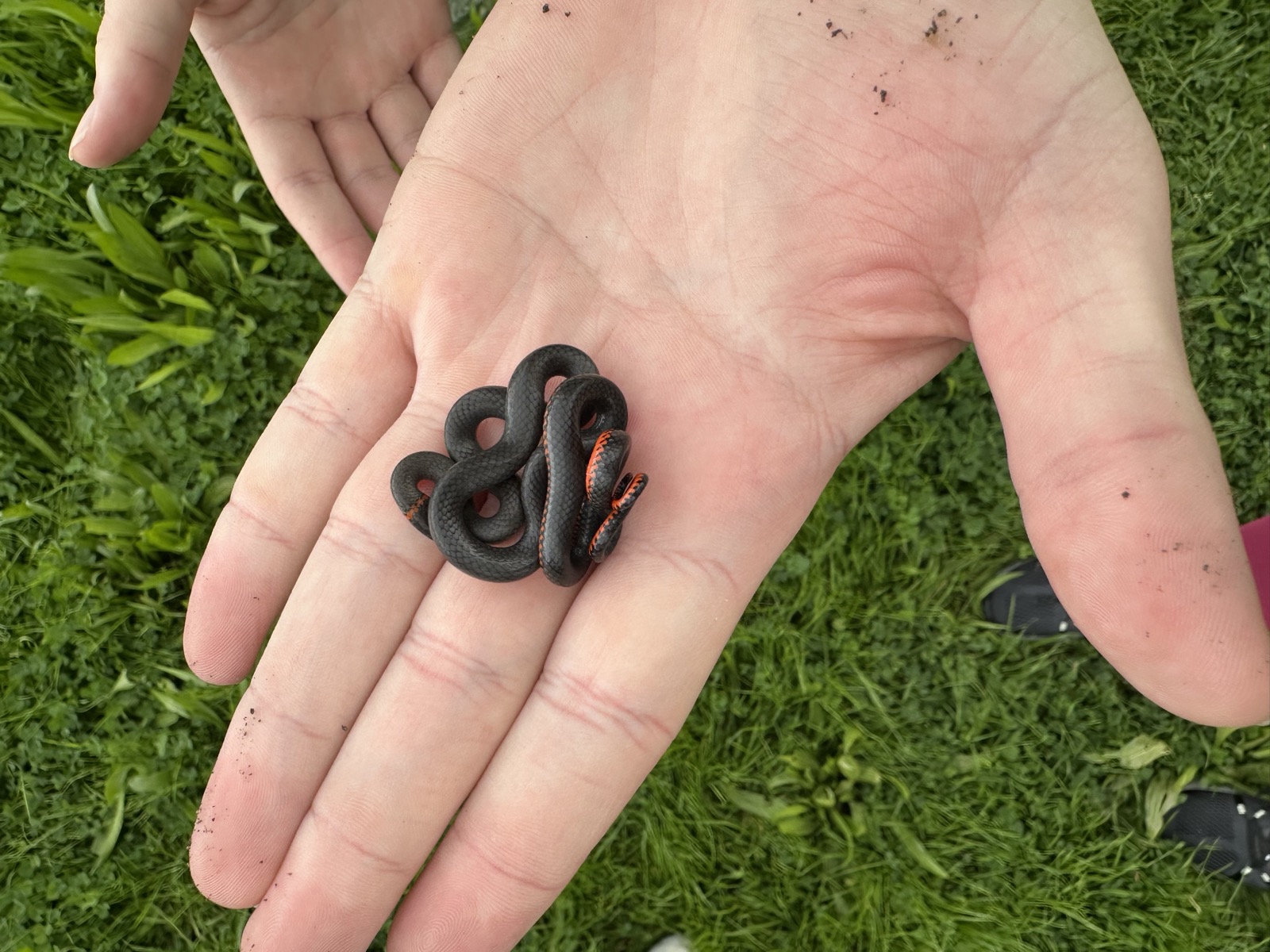
In my experience, these are a relatively common but visually intriguing species of snake that is very unlikely to bite. They are often quite small, and primarily prey on small amphibians, worms, slugs, insects, and things of that nature.
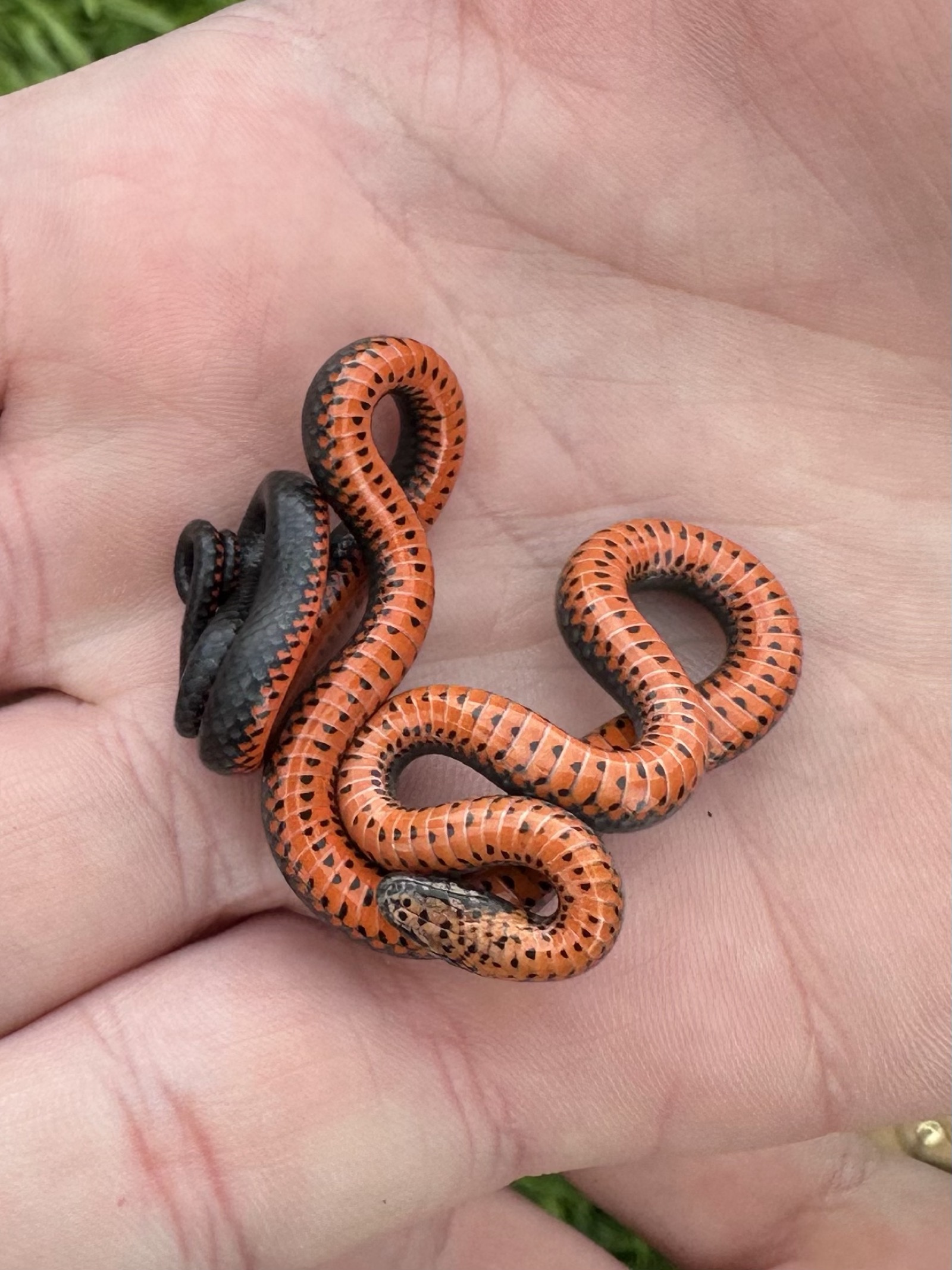
When threatened, these snakes often roll up into a tight coil and flip over to show off their brightly colored ventral scales/underside as a warning to predators ("Don't eat me or else"). This is a bluff though, because these snakes are for all intents and purposes entirely harmless. This is a form of aposematic coloration as Batesian mimicry.
This creates a sort of "evolutionary arms race".
Of course, being bright and distinct has its costs. Conspicuous coloration makes you easier to spot in the first place, and if too many species converge on the same reward signal, predators eventually stop discriminating at all (i.e. the warning loses its informational value because of high "mimic load"). The result is that only a handful of species commit to aposematic mimicry at any given time; the rest take the opposite route and lean harder into camouflage or something else.
Using Claude Code I made a small evolutionary simulator (a while ago, unrelated to this blog, this is just something I would do on the shuttle to work) for trying to get an optimization setup where these dynamics might emerge, which I'll attach below. It uses pixel snakes that are hunted by eagles. The eagles can evolve to avoid certain colors, the snakes can evolve to have certain colors. All animals need to eat food, reproduce, and have a lifespan. There is a natural carrying capacity for the environment based on food supply. Here is the simulator.
I had the chance to solo hike around the Foothills Reserve near Palo Alto for a bit, shortly after relocating to the Bay Area to start my full-time job at Meta on August 18th. This was a fun casual hike, and it was nice to acquaint myself with some of the native flora and fauna, most notably, a surprisingly high number of fence lizards. I've seen a fence lizard before (rarely), but these lizards were everywhere on this day. Occasionally you'll have days like that, where some environmental trigger causes a particular species to be out in large numbers. This might've been one of those days, or maybe there are straight up just that many fence lizards out and about here on the regular.
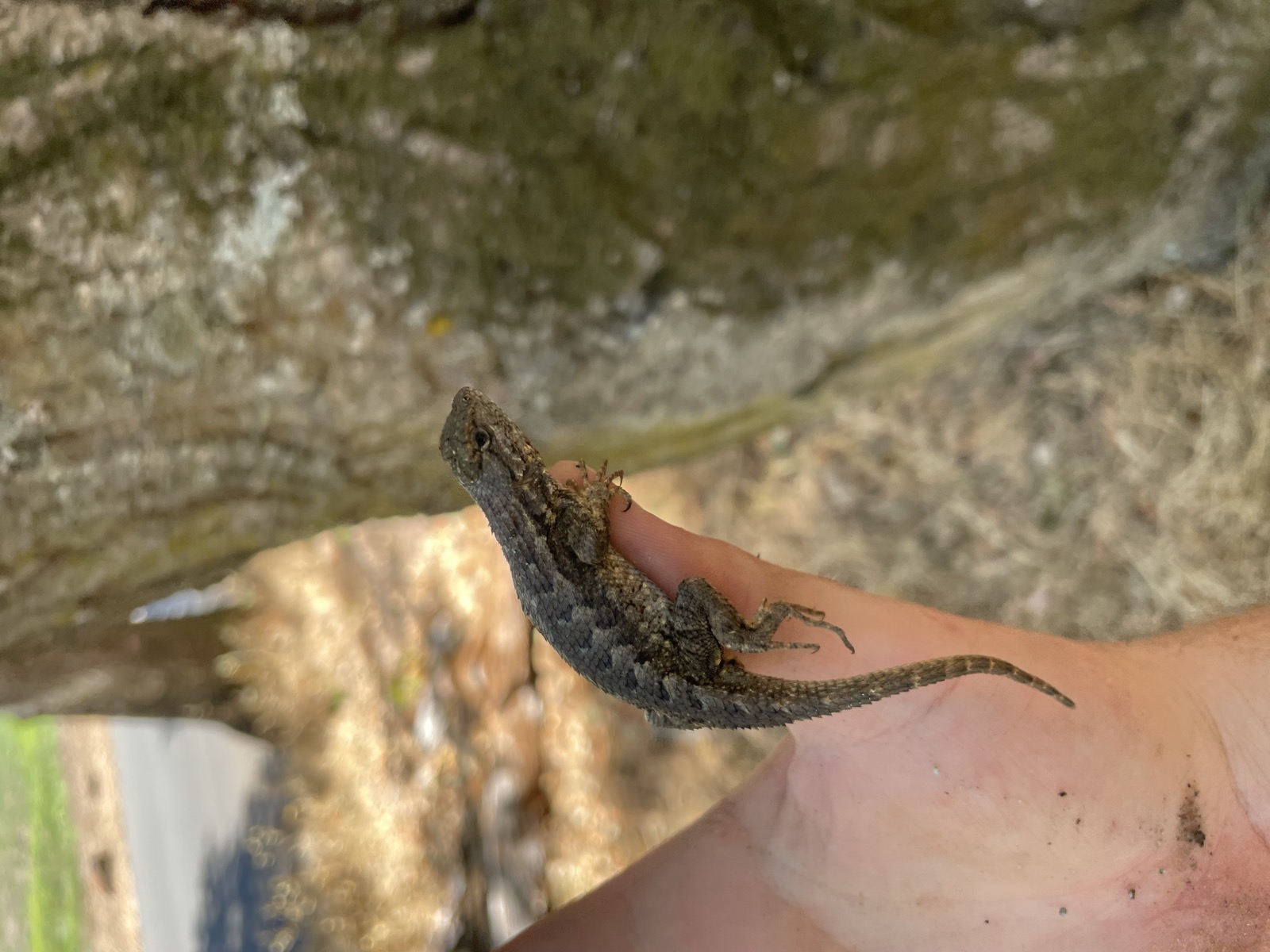
Either way it was staggering how many fence lizards I saw, sitting on logs, skittering across the path, running up trees, darting out in front of me, skittering behind me. I even was able to gently pick one up (which I show here). It took a great deal of effort to do so, because you need to be extremely gentle when interacting with small and fast lizards.
Anyway, it was a lot of fun and I look forward to finding more fence lizards in the Bay Area!
This journal only contains a few trips or finds I've found in the Bay Area since August. I'm thinking about retroactively adding some notes from before graduating, or just adding a gallery of a bunch of my finds below. TBD.